Together We Grow Smarter: How Children Learn Through Collaboration

Together We Grow Smarter: How Children Learn Through Collaboration
When children learn together, something special happens. They challenge each other, share ideas, and discover that learning is not just about memorizing facts but about understanding. Collaborative learning strengthens both academic and social skills—and gives children tools they can use for life. In a culture that often celebrates individual achievement, research shows that community and cooperation are key to deeper learning.
Learning as a Shared Process
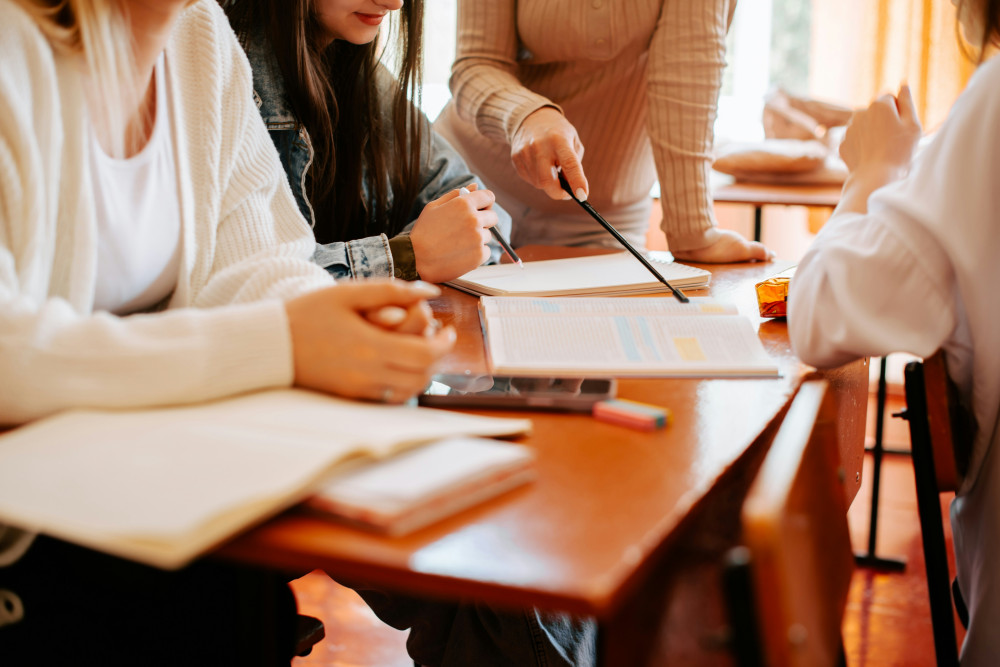
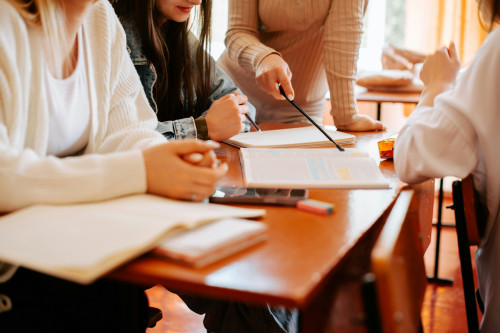
Traditional teaching has often centered on the teacher as the source of knowledge and the student as the receiver. But today, we know that children learn best when they are active participants—and when they learn with others. In collaborative learning, students become co-creators of knowledge. They ask questions, explain concepts to one another, and find solutions together.
When a child explains a topic to a classmate, they must put their understanding into words. This strengthens both their own learning and their partner’s. At the same time, they learn to listen, negotiate, and take responsibility for the group’s shared outcome—skills that reach far beyond the classroom.
Læs også:
Research: Collaboration Boosts Motivation
Studies in American classrooms show that students who work together are often more motivated and engaged. They feel that their contributions matter and that they can learn from one another. This sense of belonging and shared purpose makes learning more meaningful.
Collaboration can also reduce performance pressure. When the focus shifts from individual competition to collective goals, there is more room to make mistakes and try again. This creates a safer learning environment where children feel comfortable taking risks and asking questions.
The Teacher’s Role as a Facilitator
In a collaborative classroom, the teacher’s role changes from being the one who “delivers” knowledge to the one who guides the process. The teacher helps students organize their work, assign roles, and reflect on how the collaboration is going.
This approach requires planning and clear structure. Groups should be formed thoughtfully so that every child has a chance to contribute. Some students thrive in small groups, while others shine in larger teams. What matters most is that everyone feels heard and valued.
Collaboration in Practice – From Classroom to Playground
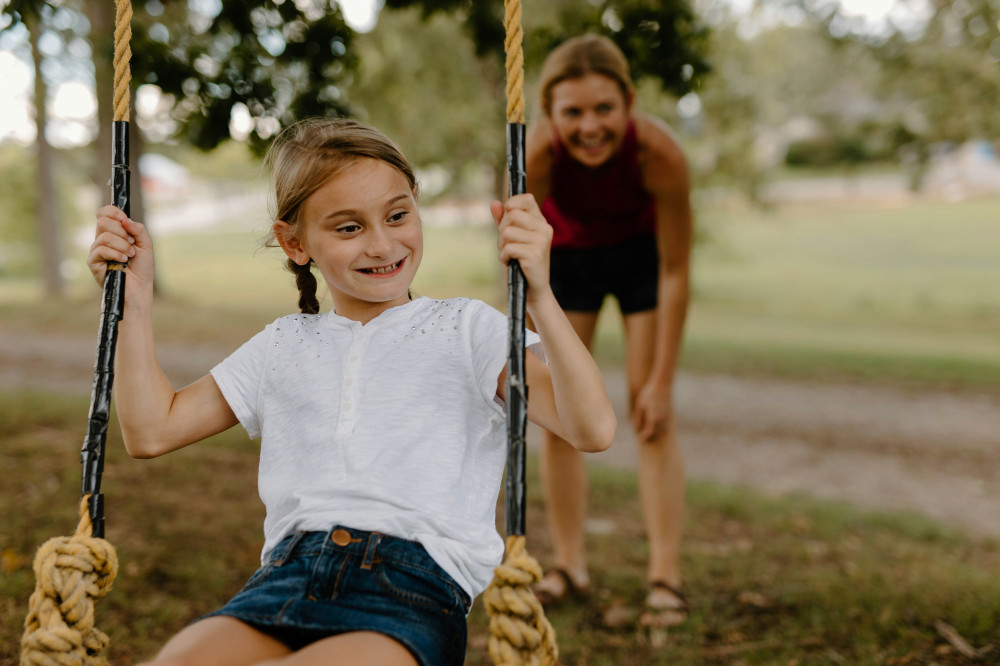
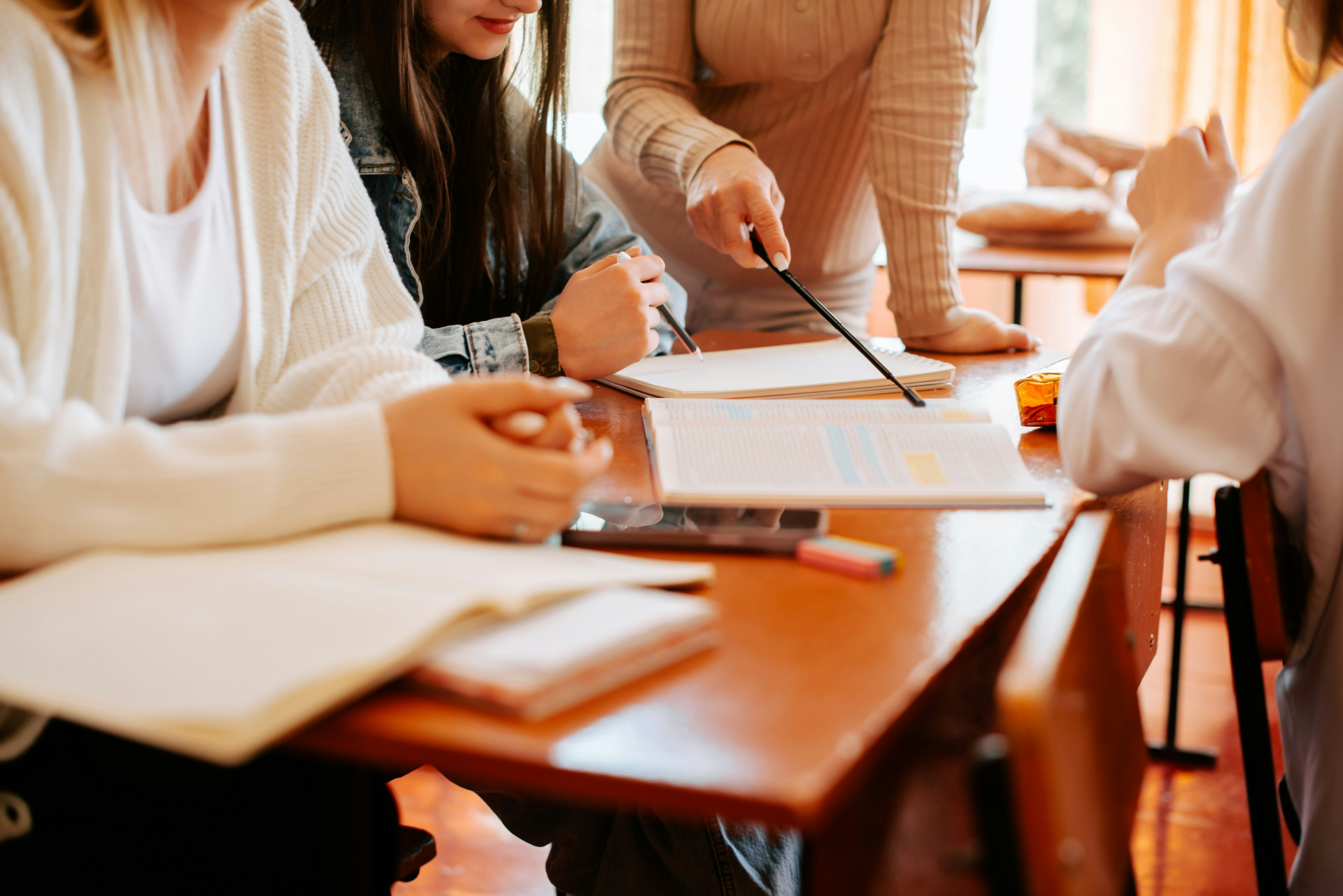
Collaboration can take many forms. In school, it might be group projects, peer tutoring, or science experiments done in teams. Outside of school, it can happen through sports, music, or community activities. In all these settings, children learn to combine their strengths and support one another.
Imagine a group of students working on a science fair project. One might be great at designing experiments, another at building models, and a third at presenting results. Together, they create something none of them could have done alone—and they learn that diversity is a strength.
Collaboration as a Life Skill
The ability to collaborate is not only important in school but throughout life. In the workplaces of the future, communication, teamwork, and creative problem-solving will be essential. When children learn to collaborate early, they gain an advantage—not just academically, but personally.
Collaboration teaches children to see the world from different perspectives, to handle disagreements, and to find solutions together. It builds empathy, respect, and a sense of community—values that are vital for a healthy and democratic society.
Growing Smarter Together
When children learn through collaboration, learning becomes a shared journey. They discover that knowledge grows when it is shared and that we can go further together than alone. It’s not just about getting better at math or reading—it’s about understanding themselves and others.
Creating opportunities for collaboration in children’s daily lives is an investment in both their academic growth and their personal development. In the end, it is through working together that we truly grow smarter—together.
Læs også: