Stay Involved in School Without Taking Over: How to Strengthen Your Child’s Sense of Responsibility

Stay Involved in School Without Taking Over: How to Strengthen Your Child’s Sense of Responsibility
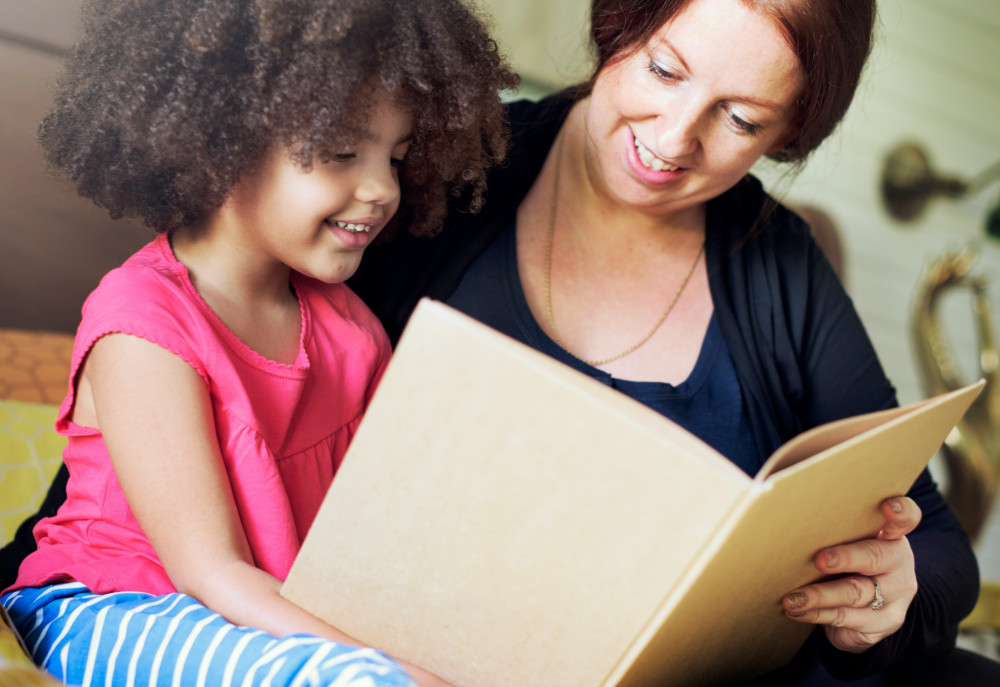
When your child starts school, life quickly fills up with homework, projects, and online portals. As a parent, it can be tempting to step in and make sure everything gets done correctly and on time. But when you take over too much, you risk taking away your child’s sense of ownership—and with it, the chance to develop independence and responsibility. Staying involved without taking control is about finding the right balance between support and trust. Here’s how you can help your child take charge of their own learning while still feeling your presence and care.
Create a Safe Space for Responsibility
Children learn responsibility best when they feel secure. That means showing interest in their school life—without micromanaging it. Ask about their day, what they enjoyed, and what was challenging, instead of focusing only on grades or missing assignments.
When your child senses that you care about their experiences rather than just their performance, they’re more likely to open up and take responsibility for their learning. A simple question like “What was the most interesting thing you learned today?” can lead to a more meaningful conversation than “Did you finish your homework?”
Help Plan—Don’t Do the Work
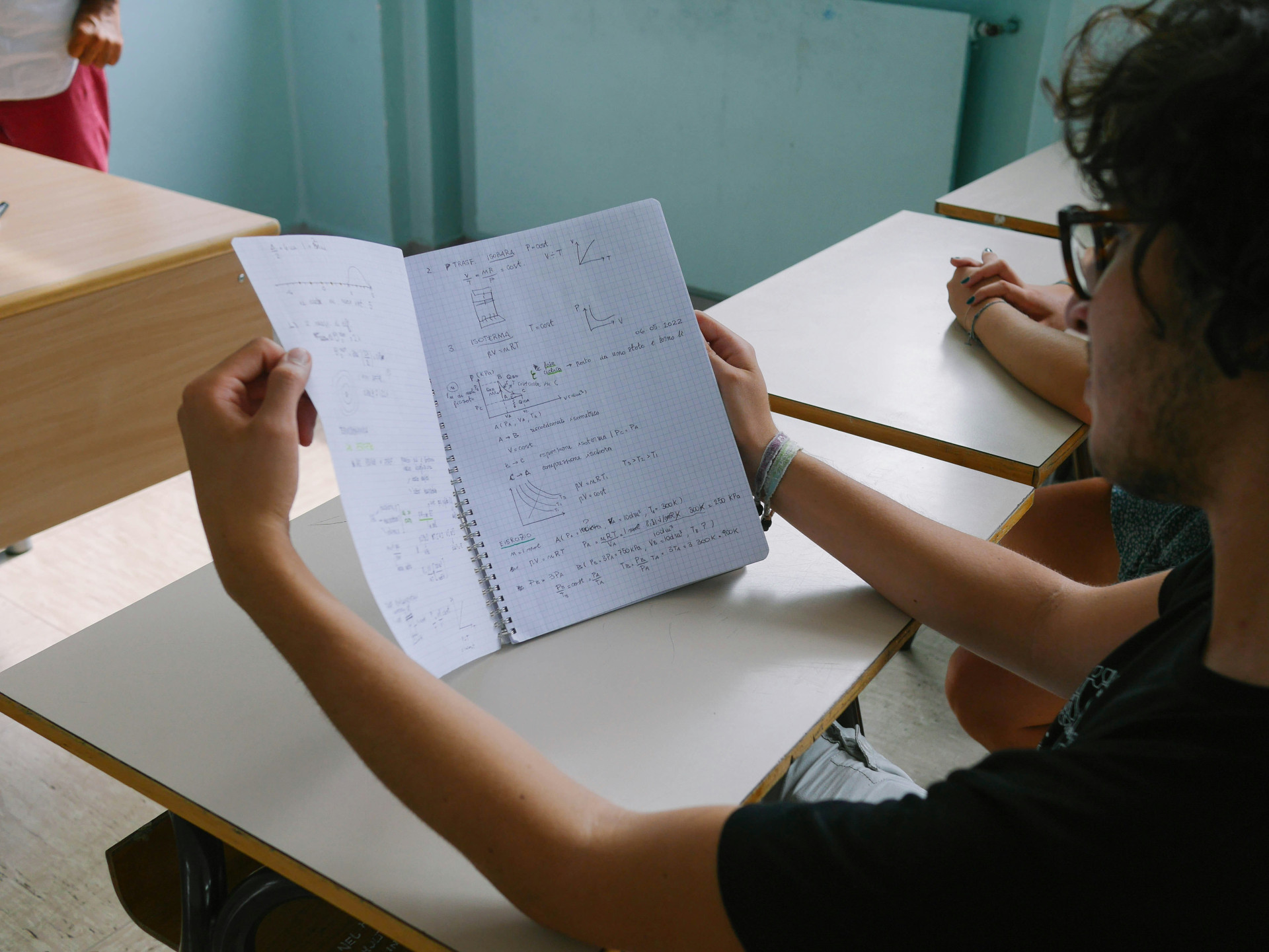
Many kids need help organizing their schoolwork, but that doesn’t mean you should sit beside them for every assignment. Instead, help them create a weekly plan. Let your child decide when to do homework, when to take breaks, and when to relax.
When children have a say in how they manage their time, their motivation grows. You can guide them by asking questions such as:
- “When do you think you’ll have the most energy to work on your science project?”
- “What’s your plan for remembering to turn it in on time?”
This way, you become a coach and partner—not a project manager.
Teach That Mistakes Are Part of Learning
A big part of responsibility is learning to handle mistakes. If you always rescue your child when something goes wrong, they miss the chance to learn from the experience. Let them face the natural consequences of forgetting an assignment or missing a deadline. It might be uncomfortable in the moment, but it teaches valuable lessons about accountability.
When you talk afterward, focus on what they can do differently next time rather than scolding them. This helps them reflect and take ownership of their choices.
Show Trust—and Stick With It
Trust is the foundation of responsibility. If you constantly check whether homework is done, you send the message that you don’t believe your child can handle it. Try instead to show confidence in their abilities. You might say, “I know you’ve got this. If you need help, I’m here.”
When your child feels your trust, they grow into the role of a responsible student. And when you maintain that trust even when things go wrong, they learn that responsibility isn’t about being perfect—it’s about being accountable.
Partner With the School—Without Taking Over
It’s natural to want to stay informed about how your child is doing in school. But be careful not to take over communication that should come from your child. If an issue arises, involve your child in the conversation with the teacher. Encourage them to explain how they see the situation and what kind of help they need. This gives them a voice and helps them practice self-advocacy.
You can support by helping them prepare for the conversation and reflecting afterward on how it went. That way, you remain a supportive presence in the background rather than the one steering the process.
Læs også:



Make Room for Rest and Free Time
Responsibility isn’t just about schoolwork—it’s also about learning to balance effort and rest. Help your child recognize when they need a break and how to manage their time in a healthy way. When children learn to listen to themselves and plan their time wisely, they develop a natural sense of responsibility—not because they have to, but because they want to.
Responsibility Grows With Time
Building a child’s sense of responsibility is a gradual process. It takes patience, trust, and a willingness to let go of control. When you step back, you give your child the space to step forward—and that’s where real growth happens. Staying involved without taking over doesn’t mean being passive; it means being present in a way that empowers your child to take ownership of their learning and their future.
Læs også: