Play and Language at a Child’s Level – How Children Learn Language from One Another

Play and Language at a Child’s Level – How Children Learn Language from One Another
When children play together, something special happens. Words flow, rules appear and change, and language becomes a tool for both connection and negotiation. Play isn’t just fun – it’s one of the most powerful ways children learn to communicate. At a child’s level, language is alive, playful, and full of experimentation, and it’s through interaction with other children that it grows most naturally.
Language Grows in Community
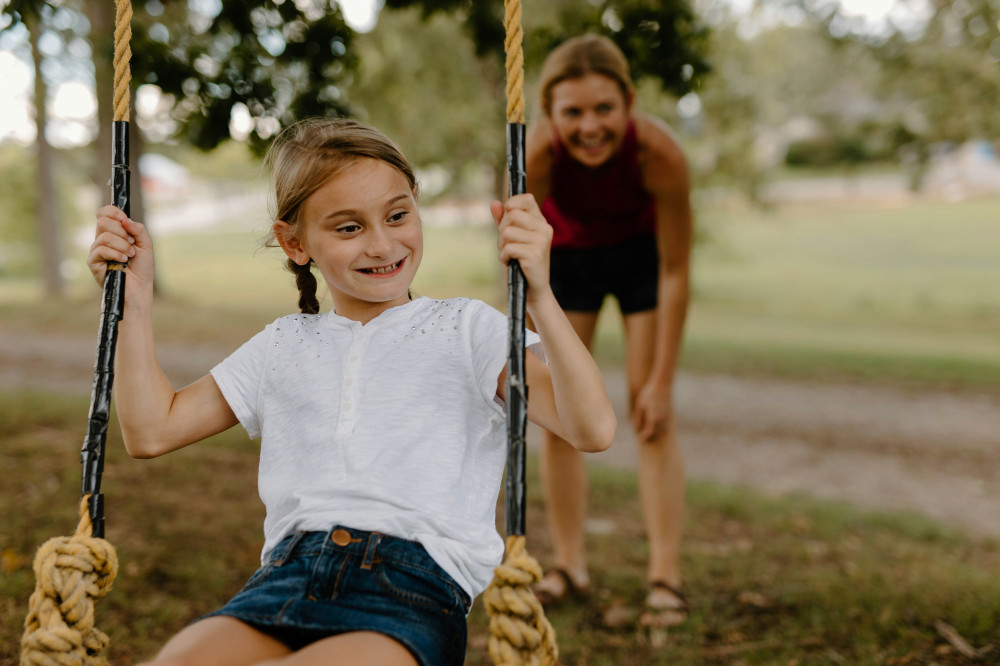
Children don’t learn language only by listening to adults. They learn just as much – sometimes more – from one another. During play, children use language to make sense of the world, solve conflicts, and express feelings. They imitate each other, test out new words, and discover how tone and body language shape meaning.
Among peers, a special “play language” often emerges – a mix of imagination, humor, and reality. Words can take on new meanings, and grammar bends to fit the moment. In these creative exchanges, children become aware of what language can do.
Læs også:
Play as a Language Laboratory
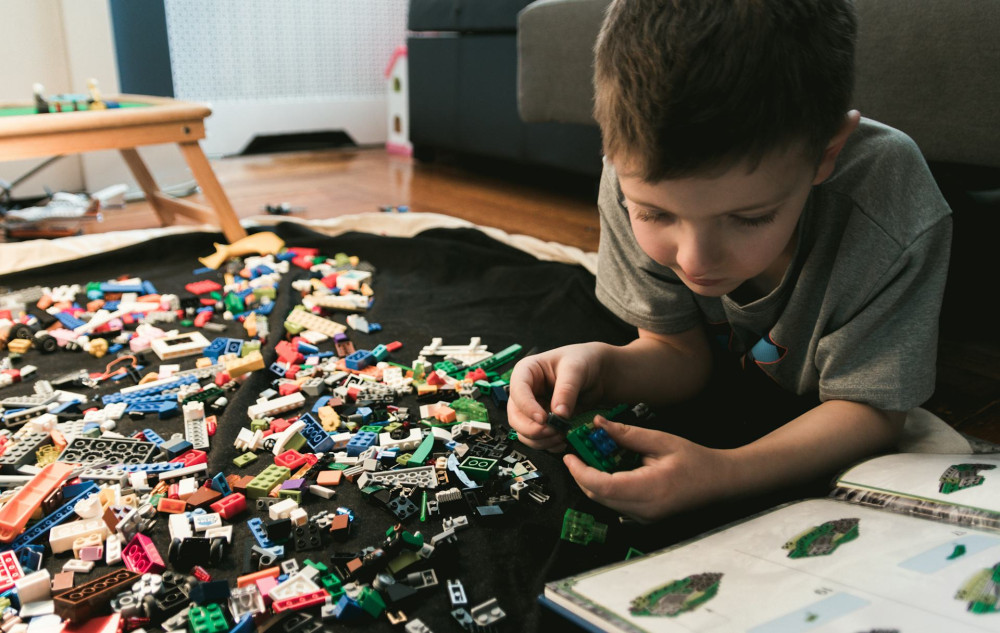
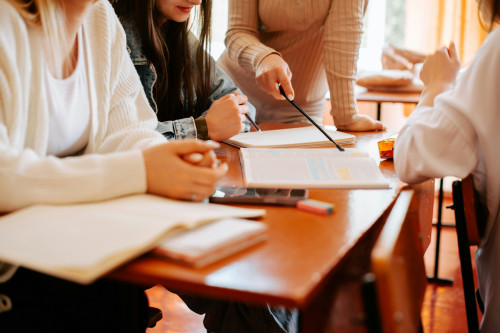
Whether they’re playing house, building forts, or organizing a game of tag, children use language actively. They negotiate roles, explain rules, and comment on each other’s actions. This requires vocabulary, turn-taking, and the ability to see things from another’s perspective.
Educators and researchers often describe play as a “language laboratory.” It’s a space where children can experiment without fear of correction. They discover how language works in real life – and how it helps build relationships. A child who might be quiet in adult-led activities can find their voice in peer play, where communication feels natural and meaningful.
When Children Learn from Children
One of the most fascinating aspects of language development is how children adjust to one another. Younger children listen to older ones and imitate their pronunciation and word choices. At the same time, older children simplify or adapt their speech so they can be understood. This mutual adjustment creates a natural learning environment where everyone grows.
Studies in the U.S. and elsewhere show that children often pick up new words faster when they hear them from peers rather than adults. That’s because peer language feels more relevant and accessible – it’s used in the here and now, in situations that matter to them.
The Role of Adults: Creating the Space
Even though children learn a great deal from each other, adults still play an essential role. Parents, teachers, and caregivers can support language development by making time and space for play – both free play and activities that highlight language.
The goal isn’t to correct or control, but to be curious and engaged. When adults ask open-ended questions, repeat or expand on what children say, or simply listen with interest, they nurture language without interrupting the flow of play. It’s in this balance between freedom and gentle guidance that language truly flourishes.
Many Forms of Play – Many Paths to Language
Language learning doesn’t happen only in pretend play. It also grows through songs, rhymes, games, and storytelling. Rhymes strengthen rhythm and sound awareness, while stories build vocabulary and understanding of sequence and cause.
Digital play can have a place too, when used thoughtfully. When children explore a game together or create short videos, they use language to plan, explain, and comment – just as they do in physical play. The key is interaction and shared experience.
A Language Shaped by Togetherness
Language isn’t something children learn in isolation. It takes shape in laughter, arguments, negotiations, and imagination. When children play together, language becomes a living tool that connects them and helps them make sense of the world.
Making room for play is therefore also making room for language. At a child’s level, the two are inseparable – and that’s where the magic happens.
Læs også: