Movement in the Classroom – The Key to Stronger Community and Well-Being

Movement in the Classroom – The Key to Stronger Community and Well-Being
For decades, the typical school day in the United States has been defined by long hours of sitting still, listening, and taking notes. But growing research and classroom experience show that movement during the school day does far more than improve physical health—it can boost focus, enhance emotional well-being, and strengthen the sense of community among students. When the body is active, the mind follows, creating a foundation for both learning and happiness.
Why Movement Matters
Children are naturally wired to move. When they have opportunities to use their bodies, they release energy, improve concentration, and become more engaged learners. Studies from organizations such as the Centers for Disease Control and Prevention (CDC) and the American Heart Association have found that short movement breaks during the school day can improve attention, memory, and academic performance.
But movement isn’t just about exercise—it’s also about connection and variety. When students move together, they interact in new ways, build relationships, and develop a sense of belonging that can be difficult to achieve through traditional desk-based learning alone.
Integrating Movement into Learning
Movement in the classroom doesn’t have to mean adding a separate physical education period. It can be woven directly into academic lessons. For example, math problems can be solved through movement games where students jump to the correct answer, or vocabulary can come alive through scavenger hunts and role-playing activities.
Small changes can make a big difference:
- Start the day with energy – a short, fun movement activity can set a positive tone for learning.
- Incorporate movement into lessons – let students stand, move around the room, or use the floor as a learning space.
- Add quick movement breaks – two- or three-minute activities can help students refocus and recharge.
- Invite student input – encourage students to suggest movement ideas so they feel ownership and excitement.
Teachers who integrate movement often find that students become more engaged, cooperative, and motivated to learn.
Læs også:

Building Community Through Shared Activity
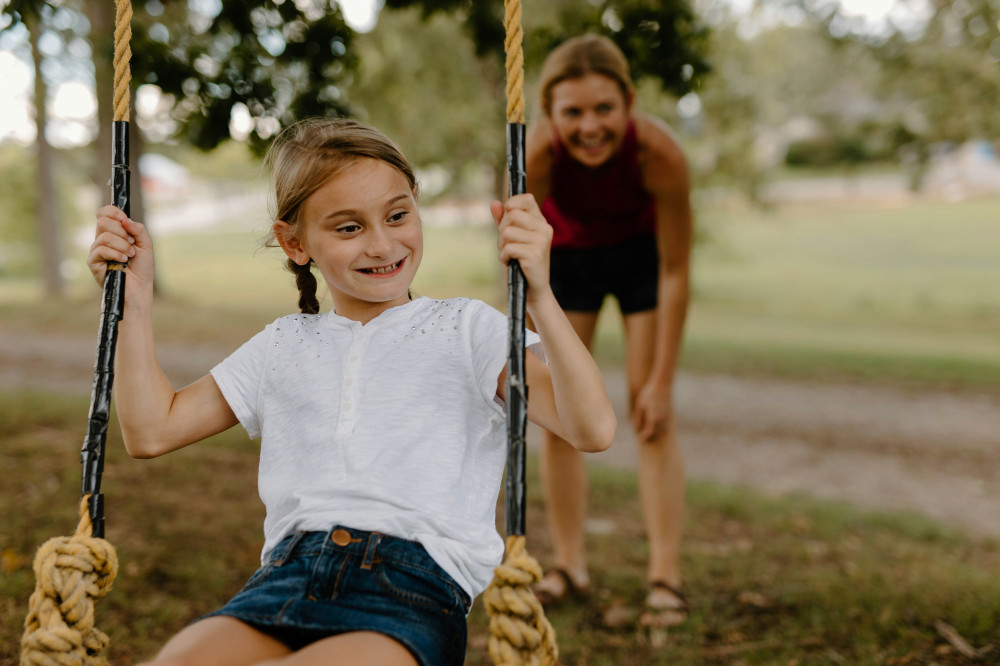
Movement can also be a powerful tool for building social connections. Activities that require teamwork, coordination, and mutual support foster trust and respect. Whether it’s a group dance, a team challenge, or a cooperative game, shared physical experiences help students see one another in new ways.
When students experience success together, their sense of community grows stronger. This shared accomplishment can help prevent bullying, reduce social isolation, and create a classroom environment where everyone feels valued and included.
The Teacher’s Role
Teachers play a key role in making movement a natural part of the classroom. You don’t need to be a physical education expert—just open to creativity and play. When teachers participate and show enthusiasm, students are more likely to join in wholeheartedly.
Starting small can make the process manageable. Try a short movement break between subjects, a standing group discussion, or a short walk outside while reviewing key concepts. Over time, these small steps can transform the classroom atmosphere.
An Investment in Well-Being and Learning
Incorporating movement into the school day isn’t an extra task—it’s an investment in students’ well-being, learning, and sense of community. When the body and mind work together, learning becomes more dynamic, and students are better equipped to thrive both academically and socially.
At a time when many children spend more hours sitting than ever before, creating classrooms that encourage movement is essential. It benefits not only individual students but also the collective spirit of the entire class—making school a place where everyone can move, learn, and grow together.
Læs også: