Strengths-Based Teaching: Helping Children with Special Needs Thrive


Strengths-Based Teaching: Helping Children with Special Needs Thrive
When a child has special needs, education is not only about addressing what’s difficult—it’s equally about discovering and nurturing what works. Strengths-based teaching focuses on each child’s abilities, interests, and potential. Instead of centering on deficits, it aims to create learning environments where children experience success, meaning, and joy in learning.
From Deficits to Possibilities
Traditional approaches to special education have often emphasized fixing what doesn’t work. But research and classroom experience show that children grow best when they are seen through the lens of their strengths.
A strengths-based approach doesn’t ignore challenges—it places them in context. A child who struggles with attention, for example, might have a vivid imagination or a strong sense of curiosity. By building lessons around what the child enjoys and does well, teachers can spark motivation and confidence, which in turn support learning.
The Teacher as a Strengths Detective
In strengths-based teaching, the teacher’s role is to identify and highlight each child’s unique strengths. This requires curiosity, patience, and the ability to look beyond behaviors and diagnoses.
Many educators use tools such as strength inventories, observation notes, and student interviews to uncover what energizes and inspires each learner. When children see that their strengths are recognized and valued, their motivation and sense of belonging grow.
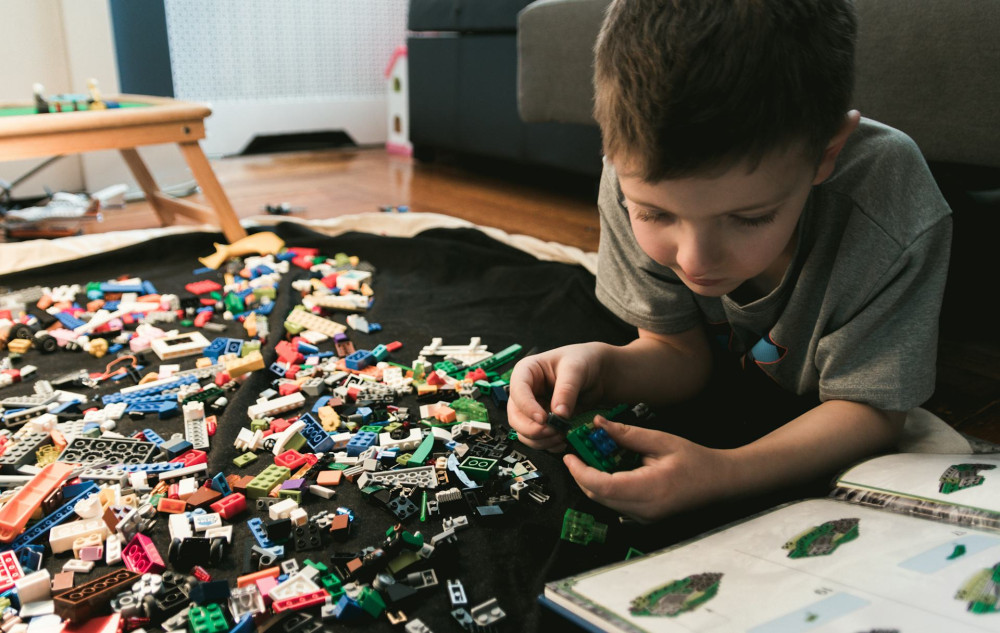
Consider a student who finds writing difficult but loves telling stories. Instead of focusing first on spelling and grammar, the teacher might encourage the student to record their stories orally, create storyboards, or make short videos. Learning then becomes a way to express ideas—not a struggle against limitations.
Collaboration with Families and Specialists
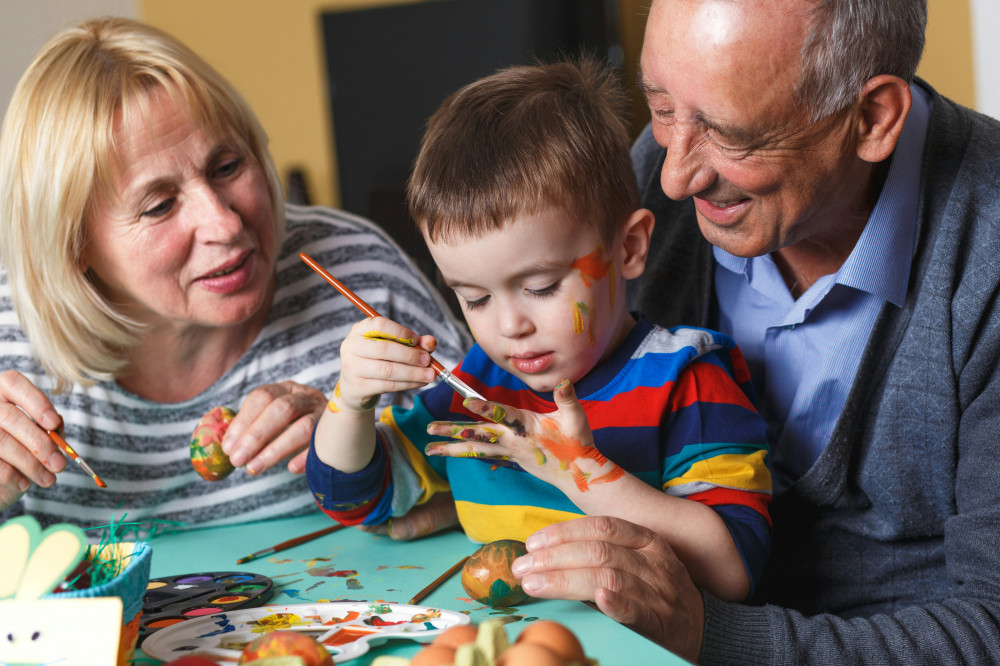
Strengths-based teaching works best when everyone around the child shares the same mindset. Parents, teachers, paraprofessionals, and specialists can work together to create a common language around the child’s strengths.
When families see that schools view their child as more than a diagnosis, trust and collaboration deepen. Teachers also gain valuable insight into what helps the child thrive at home and in daily life.
A shared focus on strengths can make it easier to address challenges. Instead of asking, “What’s not working?” the team can ask, “When does it work—and why?” This shift encourages constructive problem-solving and helps the child feel empowered in their own growth.
Creating a Classroom Where Everyone Can Thrive
Strengths-based teaching isn’t just for individual students—it shapes the culture of the entire classroom. When teachers highlight strengths, it influences how students see one another. They begin to view differences as assets, creating a more inclusive and supportive community.
Small changes can make a big difference: allowing students to help each other based on their strengths, offering multiple ways to complete assignments, or recognizing effort as much as achievement. When children feel they have something valuable to contribute, their self-esteem grows—and they become more open to support when they need it.
Læs også:



A Mindset with Lasting Impact
Strengths-based teaching is not a fixed method but a way of thinking. It asks educators to let go of rigid expectations and stay open to what works for each child.
Across the United States, schools that adopt a strengths-based approach report improvements in student engagement, well-being, and inclusion. Children with special needs who are taught through their strengths often show greater confidence, motivation, and participation in the classroom community.
When we see children as whole individuals with unique abilities and potential, we don’t just improve learning outcomes—we give them the opportunity to truly thrive.
Læs også: