Believe in Yourself! How to Boost Your Child’s Confidence with Honest and Realistic Praise


Believe in Yourself! How to Boost Your Child’s Confidence with Honest and Realistic Praise
Confidence isn’t something children are born with—it’s something they build through experiences, relationships, and the way they’re seen and supported by the people around them. As a parent, you play a key role in shaping your child’s belief in themselves. But how do you praise your child in a way that truly strengthens their confidence—without creating unrealistic expectations or dependence on approval? Here’s how honest and realistic praise can help your child believe in themselves.
Why Praise Matters—But Not All Praise Works
Praise is powerful because it tells your child that you notice and value their efforts. But not all praise has the effect you might hope for. Over-the-top or unrealistic praise—like “you’re the best” or “you can do anything”—can actually backfire. Children may start to doubt whether they really live up to those words, or they may become afraid to fail.
Honest praise, on the other hand, focuses on what your child actually does and the effort behind it. It helps them understand that success isn’t about being perfect—it’s about trying, learning, and growing.
Focus on Effort, Not Just Results
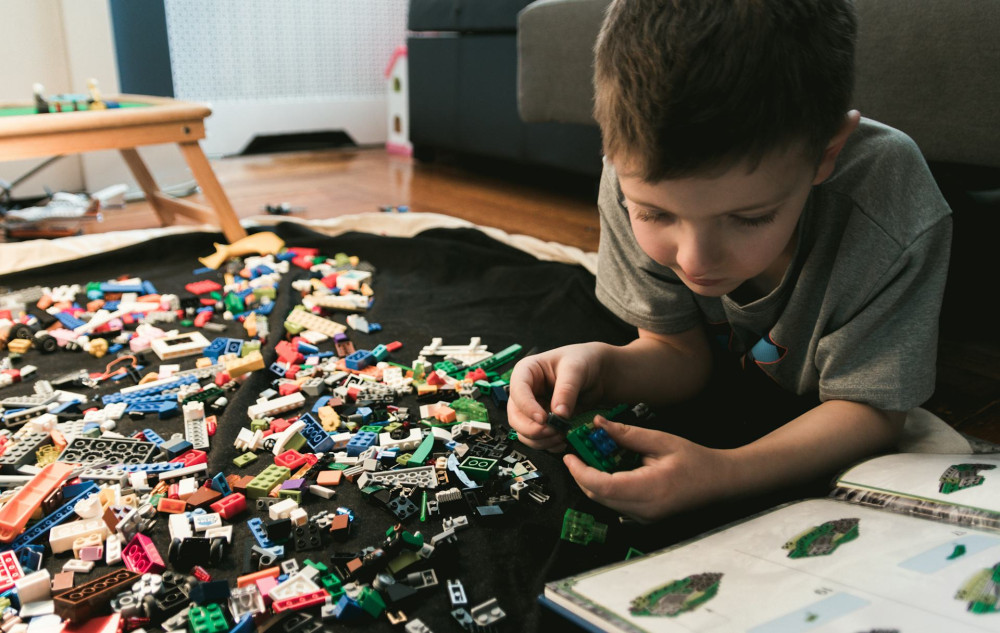
When you praise your child, emphasize the process rather than the outcome. Instead of saying “you’re so smart,” try “I can tell you worked really hard on that project” or “you kept going even when it got tough.” This teaches your child that effort matters—and that mistakes and challenges are a natural part of learning something new.
This kind of praise builds intrinsic motivation—the desire to do one’s best because it feels meaningful, not just to earn approval. It helps your child develop a stronger, more resilient sense of confidence that doesn’t depend on others’ opinions.
Be Specific and Sincere
Kids can tell when praise feels empty or exaggerated. That’s why it’s important to make your praise both specific and genuine. Instead of saying “you’re amazing,” you might say “I noticed how you shared your toys with your friend—that was really kind.” This shows your child that you see them and appreciate their actions, not just that you’re offering automatic praise.
Specific praise helps children understand what they did well and why it matters. It gives them a clear sense of what to repeat and helps them feel proud for real reasons.
Celebrate Courage and the Willingness to Try
A confident child is one who’s not afraid to make mistakes. As a parent, you can help by showing that failure isn’t something to fear—it’s part of learning. When your child tries something new, praise their courage to try, even if the result isn’t perfect.
You might say, “I’m proud of you for giving it a shot, even though it was new,” or “It was great that you didn’t give up when it got tricky.” This helps your child see that confidence is about being brave enough to try, not about always succeeding.
Avoid Comparisons
It can be tempting to compare your child to others—especially when you want to encourage them—but comparisons can do more harm than good. Saying things like “you’re better than the other kids” or “you’re the fastest in your class” can create pressure and competition instead of joy in personal growth.
Focus instead on your child’s own progress: “You’re reading faster than you did last week,” or “I can tell you’ve been practicing your soccer skills.” This helps your child measure success by their own improvement, not by how they stack up against others.
Create a Safe and Supportive Environment
Confidence grows in a safe and supportive environment. When your child feels heard, respected, and taken seriously, they gain the courage to explore the world and trust their own abilities. This isn’t just about words—it’s about actions: showing interest in their thoughts, giving them responsibilities, and letting them make small decisions on their own.
When your child senses that you trust them, they learn to trust themselves too.
Læs også:

Believe in Yourself—So Your Child Can Too
Children learn by watching. If you often doubt yourself or speak negatively about your own abilities, your child may start to do the same. One of the best ways to build your child’s confidence is to model it yourself. Show that you’re willing to try new things, admit mistakes, and accept praise with a smile. This sends a powerful message: it’s okay to be human—and you can believe in yourself even when you’re not perfect.
Confidence isn’t built on big words, but on small, honest moments of recognition, support, and trust. When you praise your child realistically and from the heart, you give them a foundation that will carry them through life’s challenges with strength and self-belief.
Læs også: