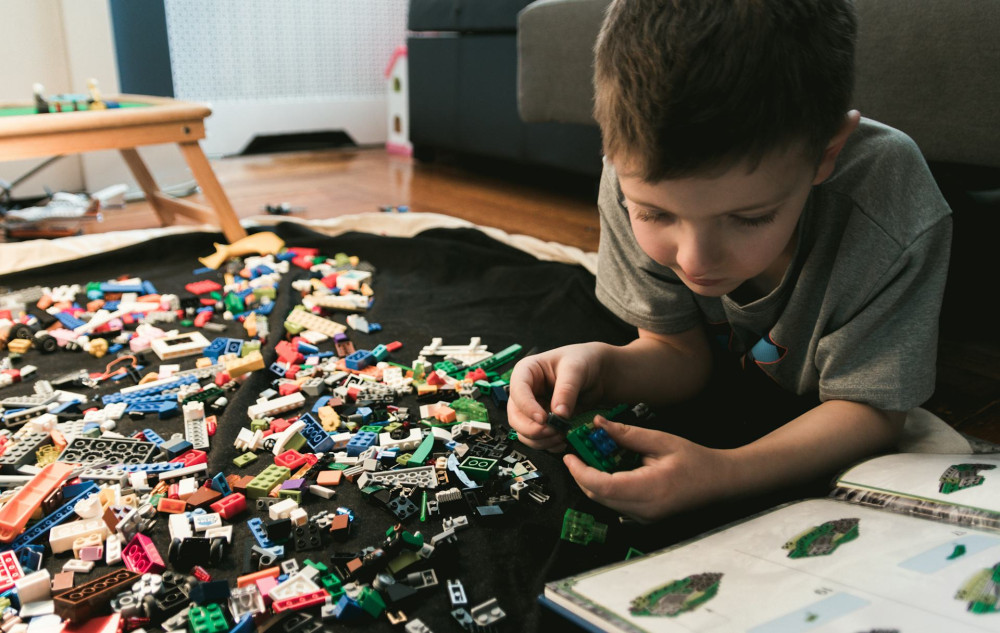
Distress or Neglect? How to Act Responsibly and Compassionately as an Adult

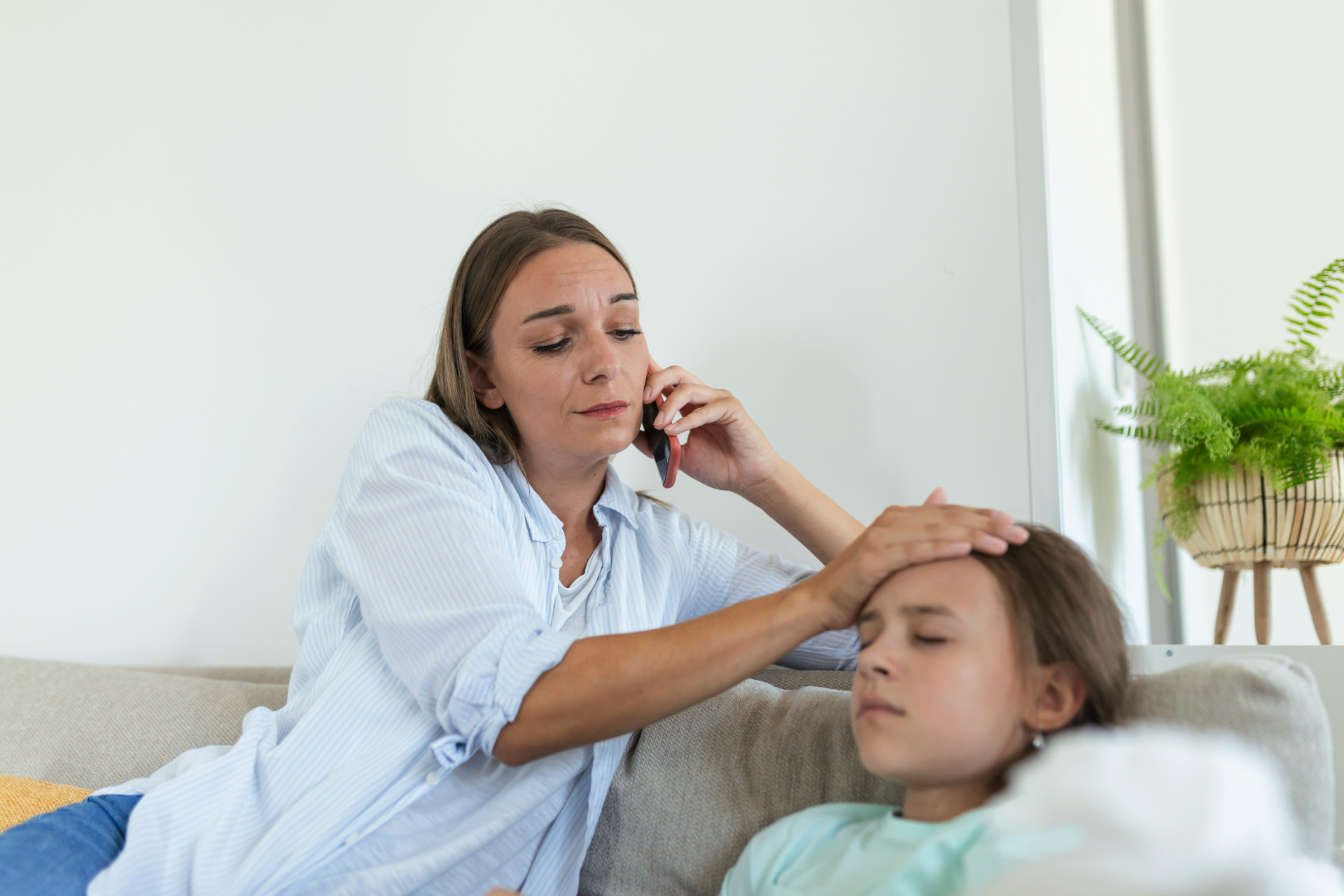
Distress or Neglect? How to Act Responsibly and Compassionately as an Adult
When a child seems unhappy or withdrawn, it can be difficult to know what’s really going on. Is it a temporary struggle that can be eased with care and support, or is it a sign of neglect that requires outside help? As an adult—whether you’re a teacher, neighbor, coach, or relative—you play a vital role in noticing and responding when something doesn’t feel right. This article offers guidance on how to act with both responsibility and compassion when you’re concerned about a child’s well-being.
Distress – When Everyday Life Becomes Too Heavy
Children experience distress for many reasons. Some become quiet and withdrawn, while others act out with anger, restlessness, or defiance. The causes can range from bullying, family conflict, or divorce to mental health challenges or a lack of emotional support at home.
Common signs of distress may include:
- Persistent sadness, fatigue, or loss of interest in activities.
- Noticeable changes in behavior, such as trouble sleeping, concentrating, or managing emotions.
- Withdrawal from friends, school, or hobbies.
- A general sense that something feels “off” about the child’s mood or behavior.
Distress doesn’t necessarily mean neglect or abuse. But it’s a signal that the child needs someone to notice, listen, and care.
Neglect – When a Child’s Basic Needs Aren’t Met
Neglect occurs when a child’s fundamental needs for safety, food, shelter, affection, and supervision are repeatedly unmet. It can be physical, emotional, or psychological—and sometimes connected to substance abuse, domestic violence, or mental illness in the home.
Possible signs of neglect include:
- The child often appears hungry, dirty, or dressed inappropriately for the weather.
- Parents or caregivers seem absent, impaired, or unable to provide consistent care.
- The child talks about being afraid at home or describes violence or chaos.
- The child is frequently left alone or in unsafe situations.
Neglect is serious, and no adult should carry that concern alone. Acting early can make a life-changing difference.
Your Role as an Adult – Notice, Listen, and Respond
The most important thing you can do is take your concern seriously. You don’t need to be certain about what’s happening—having a genuine concern is enough to take action.
- Observe and document – Write down what you see, hear, and when it happens. Patterns over time can help clarify your concern.
- Talk with the child – If appropriate, gently ask how they’re doing. Show that you care and that they can talk to you. Avoid pressing for details or making promises you can’t keep.
- Share your concern – If you work with children, talk to a supervisor, counselor, or school social worker. If you’re a private citizen, you can reach out to local child protective services or a child abuse hotline for advice.
- Report when necessary – In the United States, every state has laws requiring certain adults—like teachers, healthcare workers, and childcare providers—to report suspected abuse or neglect. Even if you’re not a mandated reporter, you can still make a report if you believe a child is in danger.
Taking action isn’t about accusing anyone—it’s about protecting a child’s safety and well-being.
How to Report a Concern
If you suspect neglect or abuse, you can contact your state’s child protective services (CPS) agency or call the Childhelp National Child Abuse Hotline at 1-800-4-A-CHILD (1-800-422-4453). The hotline is available 24/7 and offers confidential support and guidance.
You don’t need proof—just a reasonable concern. Trained professionals will assess the situation and determine what steps to take next. It’s always better to report once too often than not at all.
Acting with Compassion
Acting responsibly also means acting with empathy. Children in distress need adults who are calm, trustworthy, and respectful.
- Speak gently and without judgment.
- Don’t make promises you can’t keep, such as guaranteeing secrecy.
- Remember that your role is not to investigate or fix the problem, but to ensure the child gets the right help.
When you act with compassion, you show the child that they are not alone—and you help connect them to the support they need.
Læs også:




You’re Not Alone – Finding Support for Yourself
It can be emotionally difficult to carry concern for a child. Talk with trusted colleagues, friends, or professionals about your feelings. Many communities offer resources for adults who are unsure how to handle a situation involving a child’s safety.
You can also reach out to organizations such as:
- Childhelp (1-800-4-A-CHILD) – for advice and reporting guidance.
- National Parent Helpline (1-855-427-2736) – for emotional support and parenting resources.
- Local family resource centers or mental health services – for community-based assistance.
Seeking support helps you stay grounded and ensures you can continue to act with clarity and care.
A Shared Responsibility
Children’s well-being is a shared responsibility. When adults choose to see, listen, and act, we create safer communities for all children. Distress and neglect can occur in any family, and no one should face it alone. Your awareness and courage to act may be the first step toward a child’s safety, healing, and hope.
Læs også: