Repetition and Rhythm – The Key to Children’s Learning and Development

Repetition and Rhythm – The Key to Children’s Learning and Development
When children learn something new—whether it’s speaking, walking, reading, or playing music—it rarely happens overnight. Learning unfolds through repetition, rhythm, and familiarity. For young children, the world is full of new experiences, and it’s through repeated patterns that they find comfort and understanding. Repetition and rhythm are not just parts of play and learning—they are the foundation of a child’s development.
Repetition Builds Confidence and Understanding
When a child asks to hear the same bedtime story, sing the same song, or play the same game again and again, it’s not because they lack imagination. Repetition allows them to predict what comes next, giving them a sense of control and security. Within that sense of safety, learning can truly take place.
Each time a child revisits a familiar story, they notice new details—a word, a picture, a feeling. Through repetition, they gradually deepen their understanding, while their language and emotional awareness grow stronger. What may seem like “doing the same thing” is actually a powerful process of mastery and discovery.
Rhythm as a Learning Engine
Rhythm is closely tied to repetition, but it also involves tempo, movement, and structure. Rhythm exists in language, in the body, and in daily life. When children clap, sing, or move in time, they’re not only developing motor skills—they’re also strengthening focus, memory, and cooperation.
Music and rhymes are especially effective learning tools because they combine sound, movement, and repetition. A child who learns the alphabet through a song, for example, remembers the letters more easily because rhythm helps the brain organize information. The same principle applies when children count, jump, or dance—rhythm makes learning active, joyful, and embodied.
Læs også:

The Rhythm of Everyday Life
Rhythm isn’t limited to music or movement—it’s also about the structure of daily routines. A predictable rhythm throughout the day—regular times for meals, play, and bedtime—gives children a sense of stability. When they know what to expect, they can focus their energy on exploring and learning rather than worrying about what comes next.
Parents and educators can support children’s development by creating rhythm in both activities and transitions. A short song while washing hands or a simple bedtime ritual can make transitions smoother and more comforting. These small, rhythmic moments help children feel secure and connected.
Repetition as the Path to Mastery
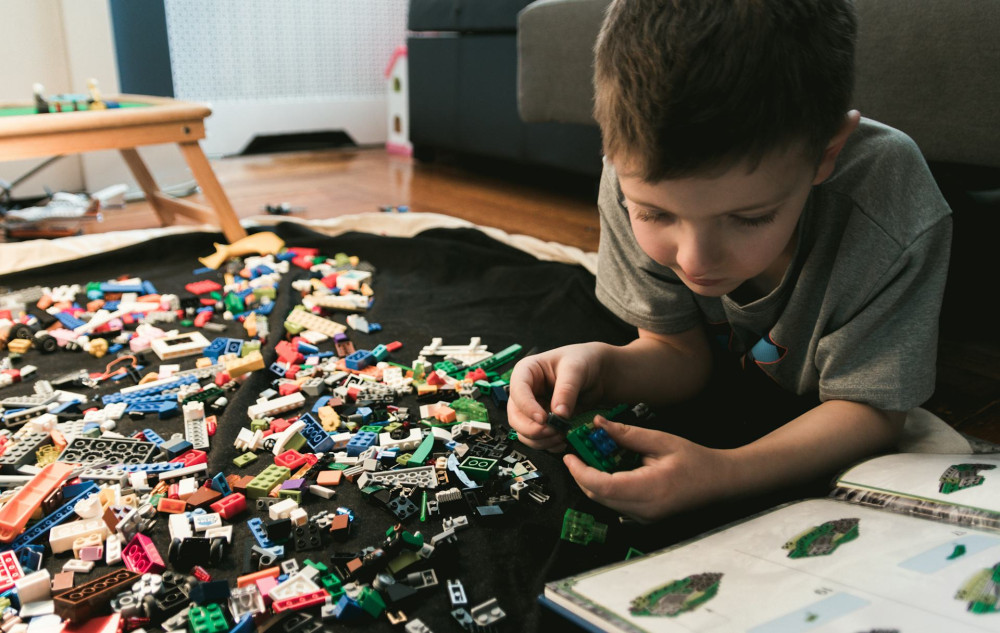
Mastery takes practice—and practice means repetition. When a child practices drawing a circle, tying their shoes, or writing their name, it’s repetition that refines their movements and builds confidence. Each small success strengthens their sense of competence and motivation to keep trying.
It’s important for adults to recognize the value of repetition and not rush the process. Children learn at their own pace, and it’s through many small repetitions that learning truly takes hold. Encouragement and positive feedback along the way make repetition meaningful and rewarding.
Play, Rhythm, and Learning Go Hand in Hand
Play is a child’s natural way of learning—and play is full of repetition and rhythm. When children build the same tower again and again, act out familiar roles, or sing favorite songs, they’re practicing memory, language, social skills, and creativity all at once.
Adults can nurture this process by joining in the play, echoing the child’s words and actions, and creating small rhythmic patterns in their interactions. This strengthens the bond between adult and child and helps the child feel seen, understood, and supported.
A Rhythm That Lasts a Lifetime
Repetition and rhythm are not only vital in early childhood—they shape learning throughout life. Our ability to learn, remember, and make sense of the world depends on patterns and repetition. In children, this connection is especially visible: rhythm and familiarity build the foundation for language, emotional resilience, and curiosity.
When we, as adults, understand and value this rhythm, we can help children learn with joy, confidence, and wonder—step by step, beat by beat, repetition by repetition.
Læs også: