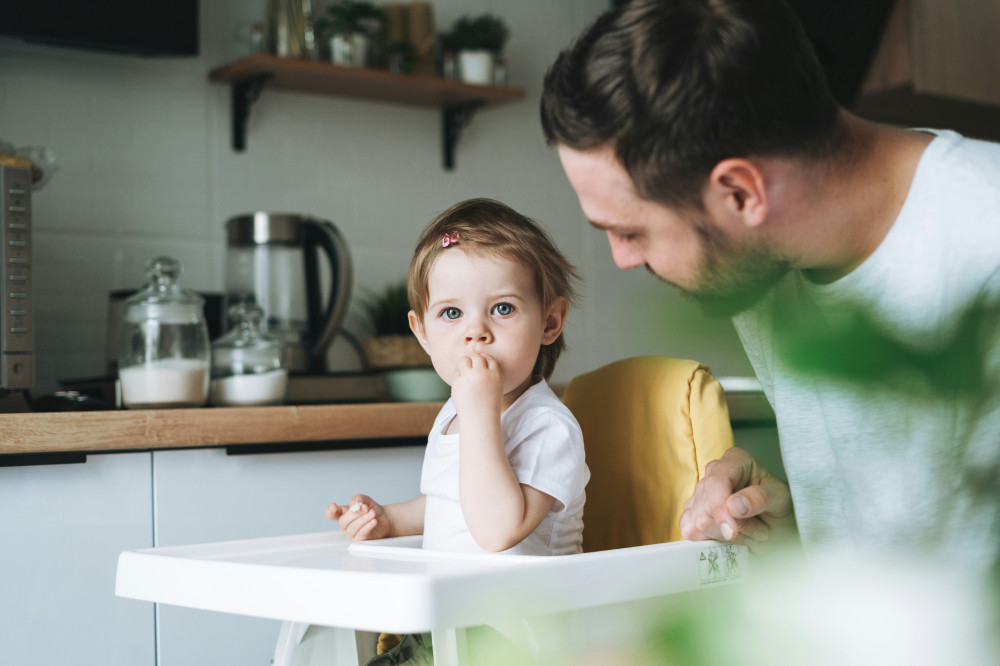
When Appetite Fluctuates: How to Stay Calm Through Your Child’s Growth Phases

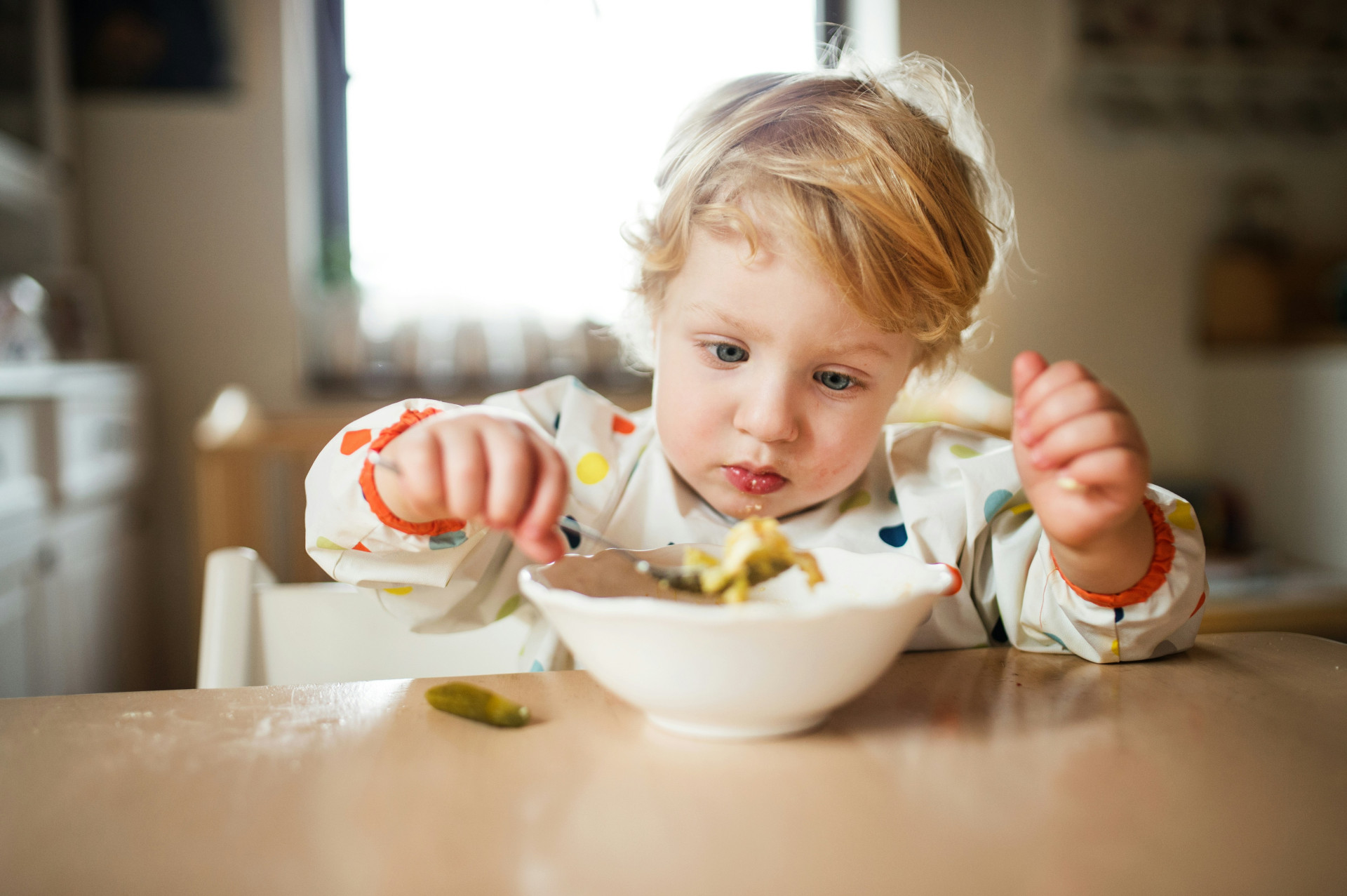
When Appetite Fluctuates: How to Stay Calm Through Your Child’s Growth Phases
It’s a familiar scene for many parents: one week your child seems to eat nonstop, and the next they barely touch their plate. Appetite swings can spark worry, frustration, and self-doubt—but in most cases, they’re completely normal. A child’s appetite naturally follows their body’s growth, energy needs, and developmental rhythm. Here’s how to stay calm and confident when your child’s eating habits ebb and flow.
Appetite Follows Growth—Not the Other Way Around
Children grow in spurts. During rapid growth phases, they often eat more; when growth slows, their appetite may dip. This means a child who devours everything in sight one week might eat very little the next—without anything being wrong.
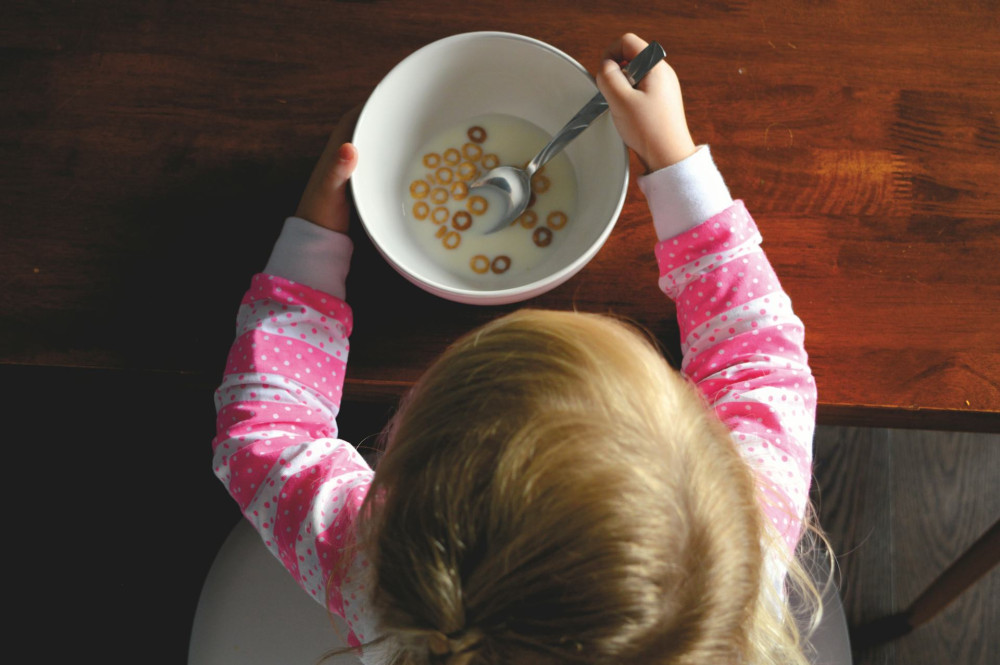
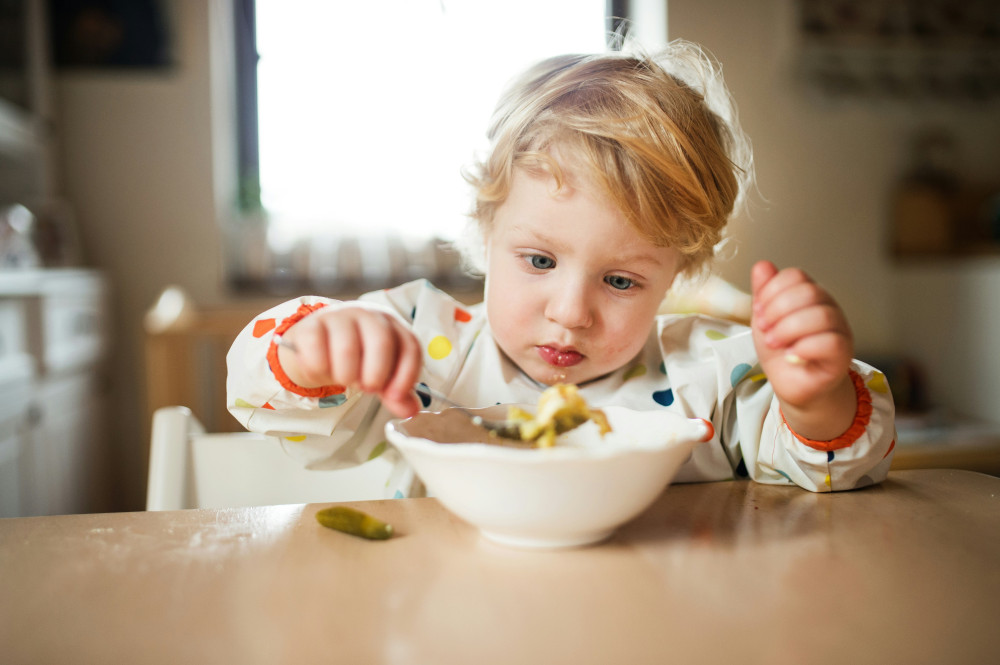
Young children are surprisingly good at regulating their own hunger. They eat when they’re hungry and stop when they’re full. For parents, that can be hard to trust, especially when you’re worried about nutrition. But the big picture matters most: if your child is growing, active, and generally happy, occasional appetite changes are rarely cause for concern.
Avoid Mealtime Battles
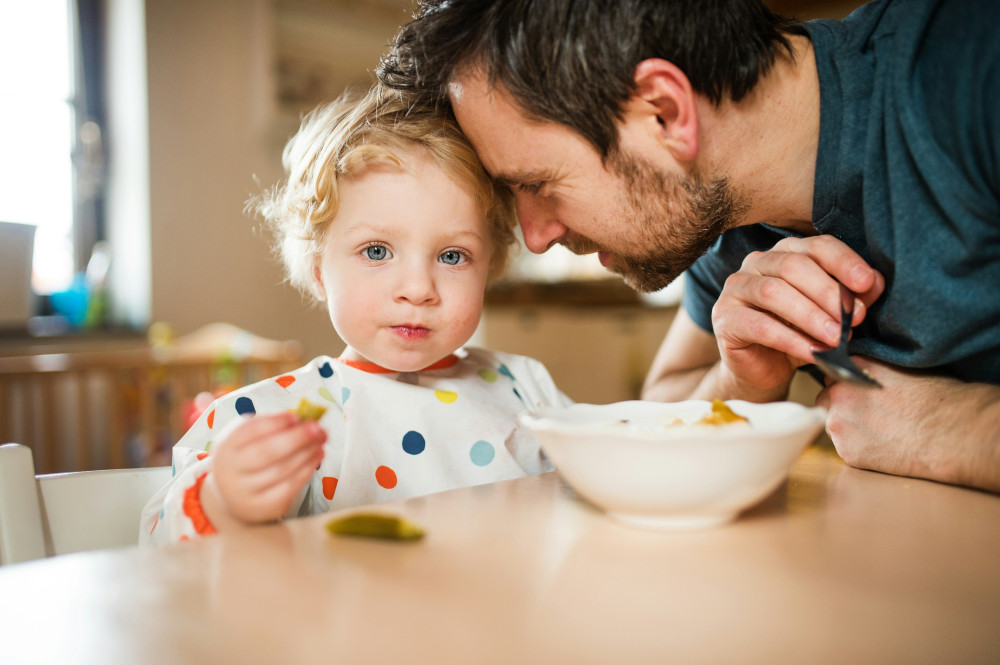
When appetite fluctuates, mealtimes can quickly turn into power struggles. Pressure, bribery, or threats rarely help—and often make things worse. Instead, aim to create a calm, positive atmosphere around food. Think of meals as an invitation, not a demand.
You decide what’s served; your child decides how much to eat. This approach—sometimes called the “division of responsibility” in feeding—helps reduce tension and builds trust. Try serving small portions and offering seconds if your child is still hungry. It takes the pressure off and gives them a sense of control.
Routine and Variety Matter
Even when appetite is unpredictable, you can support your child by offering balanced meals and keeping a consistent routine. Children thrive on predictability—both in timing and in the kinds of foods they see. Regular meal and snack times help their bodies learn when to expect food, which can gently encourage appetite.
Involve your child in the process, too. Let them choose between two vegetables, stir the pasta sauce, or help set the table. When kids feel included, they’re more likely to approach food with curiosity and confidence.
When Appetite Drops—and Worry Creeps In
It’s natural to feel uneasy when your child eats very little for a stretch. But most of the time, things balance out on their own. Focus on your child’s overall energy, mood, and growth over weeks—not day by day. If your child seems unusually tired, loses weight, or shows little interest in food for an extended period, it’s worth checking in with your pediatrician.
Try not to fill the gap with sweets or snacks just to “get something in them.” That can interfere with natural hunger cues and set up habits that are hard to break. Instead, offer small, nutrient-dense options like yogurt with fruit, whole-grain toast with nut butter, or a smoothie with milk and berries.
Let Go of Perfection
It’s easy to feel that your child’s eating habits reflect your parenting. But food preferences and appetite develop over time—and no one eats perfectly every day. The best thing you can do is model calmness, patience, and trust in your child’s ability to listen to their body.
Children learn from what they see. If you enjoy a variety of foods and approach meals without stress, they’ll pick up on that. Remember, mealtime isn’t just about nutrition—it’s about connection, comfort, and shared experience.
Læs også:

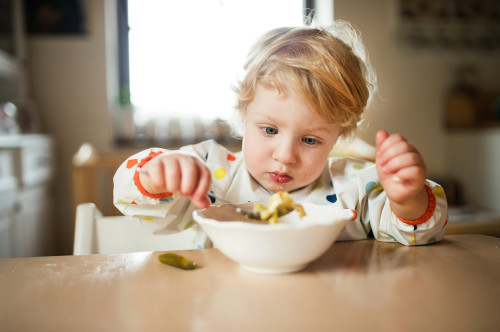
Appetite as a Sign of Growth
Fluctuating appetite isn’t a problem to fix—it’s a sign that your child is growing and changing, both physically and emotionally. By meeting these shifts with understanding and steadiness, you help your child build a healthy relationship with food and their own body.
So the next time your child leaves half their dinner untouched, take a deep breath. This is just one phase in a long journey. Their appetite will return—along with their enthusiasm for exploring new tastes and foods.
Læs også: