Listen to Your Child: Understanding the Signals of Hunger, Fullness, and Curiosity About Food

Listen to Your Child: Understanding the Signals of Hunger, Fullness, and Curiosity About Food
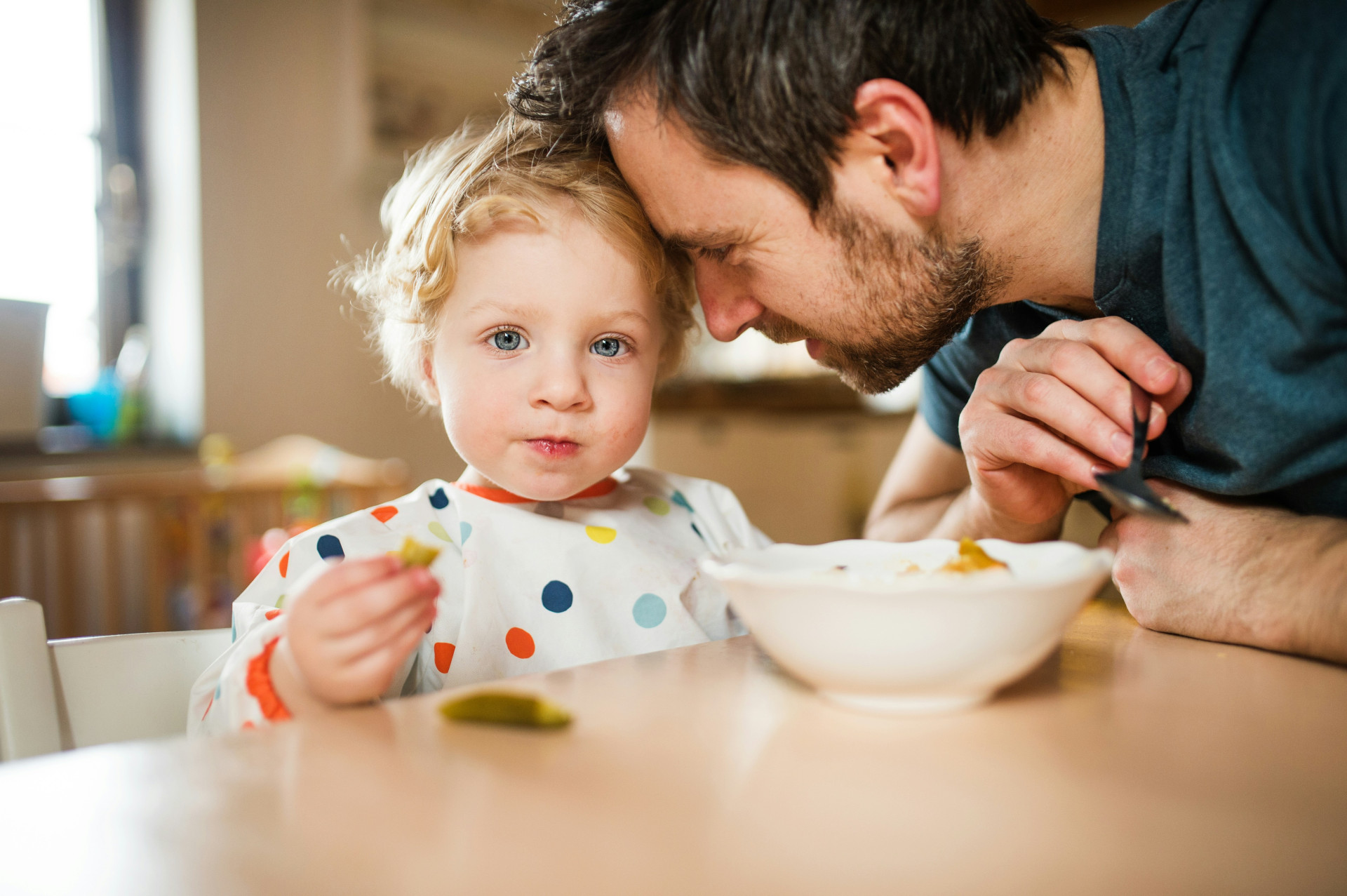
Sharing a meal with your child is about much more than getting food on the table. It’s a daily opportunity for your child to learn how to listen to their body, express needs, and explore new tastes. But how can you, as a parent, support your child in finding the balance between hunger, fullness, and curiosity about food? It starts with listening—not just to words, but to the small signals your child sends.
Hunger – the body’s first message
Hunger looks different for every child. Some become quiet and tired, while others get restless or cranky. For infants, hunger might show up as sucking motions, rooting for the breast or bottle, or making small sounds and movements. Older children might say they’re hungry, but sometimes it shows up as irritability or trouble focusing.
The key is to respond to hunger cues before they turn into distress. A child who is overly hungry may eat too quickly and have a harder time noticing when they’re full. Offering meals and snacks at regular times helps your child trust that food will come again, which builds a sense of security around eating.
Fullness – when the body says “enough”
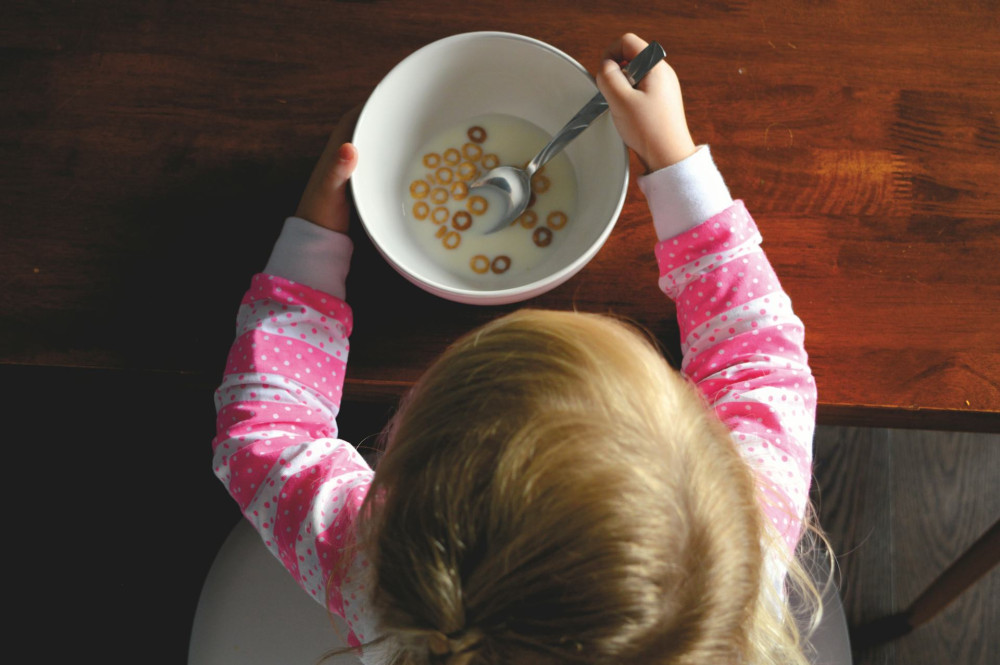
Fullness cues can be subtle. A baby who turns their head away, loses interest in the bottle, or starts playing with food is signaling that they’ve had enough. Older children might slow down, push their plate away, or simply say they’re done.
It can be tempting to encourage a few more bites—especially if the portion seems small—but it’s important to respect your child’s stop signal. When children are allowed to decide when they’re full, they strengthen their ability to regulate appetite on their own. This self-awareness is a foundation for a healthy relationship with food.
Food curiosity – the joy of exploring
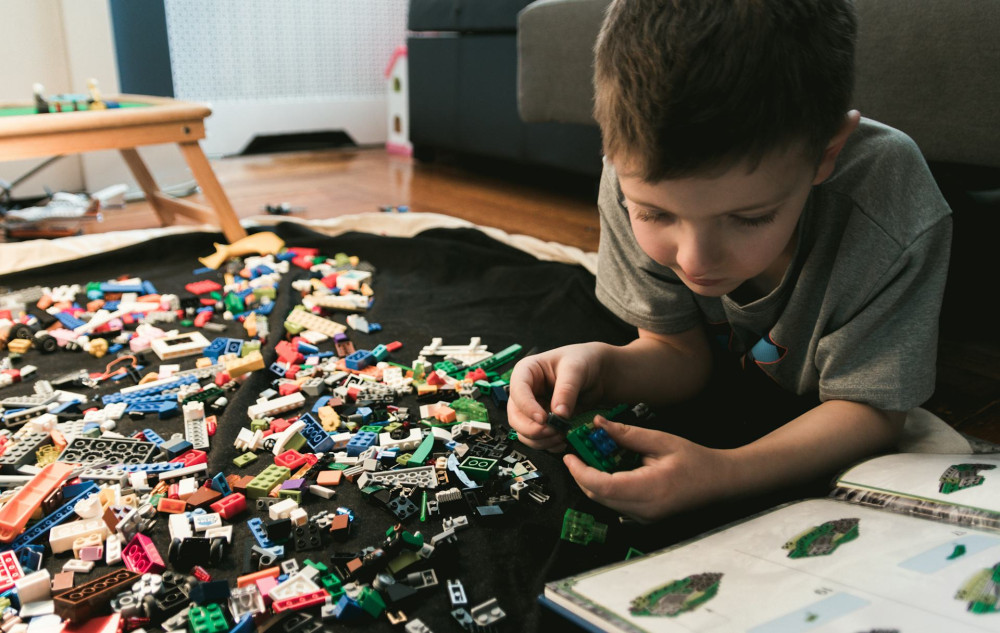
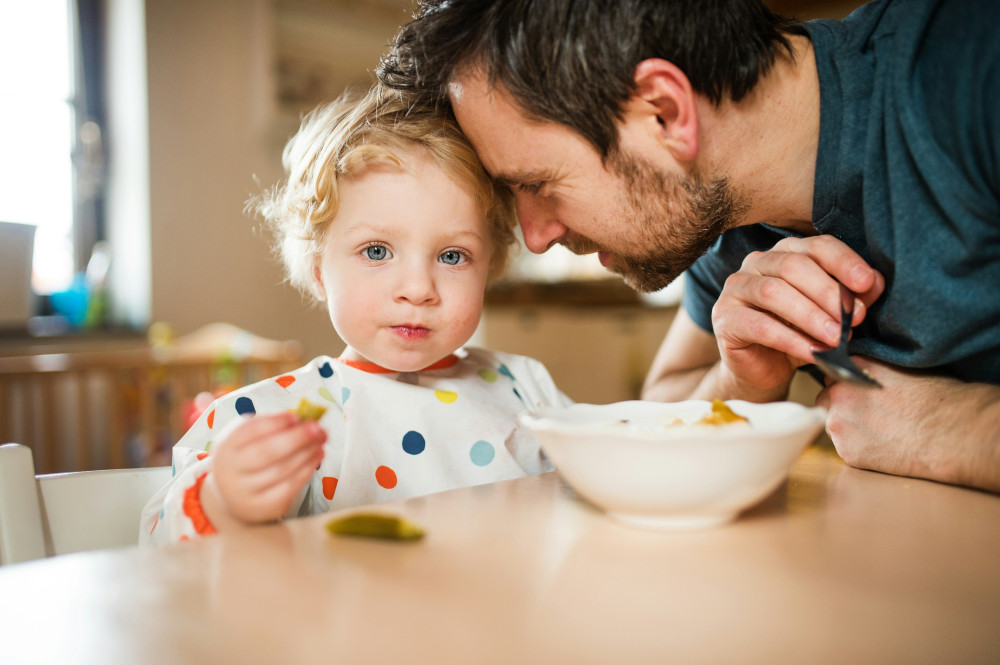
Curiosity about food isn’t just about tasting something new. It’s also about touching, smelling, and looking. Children learn through their senses, and it can take many exposures before a new food is accepted. A child who pokes at food or licks it is learning—not necessarily rejecting.
You can nurture this curiosity by creating a calm, positive atmosphere around meals. Avoid pressure or excessive praise; the goal is to let your child explore at their own pace. Invite them to help in the kitchen, let them choose between two vegetables, or talk about the colors and shapes on the plate. These small moments make eating more fun and meaningful.
When signals are hard to read
There will be days when your child eats less than expected or when appetite fluctuates. That’s completely normal. Appetite is influenced by sleep, activity, growth, and mood. Instead of focusing on a single meal, look at your child’s eating patterns over several days. Most children eat what they need when they’re given the chance to listen to their bodies.
If your child often refuses food or seems uninterested in eating, it may help to talk with your pediatrician or a registered dietitian. Sometimes small adjustments to routines make a big difference; other times, extra support may be needed.
Create calm and consistency around meals
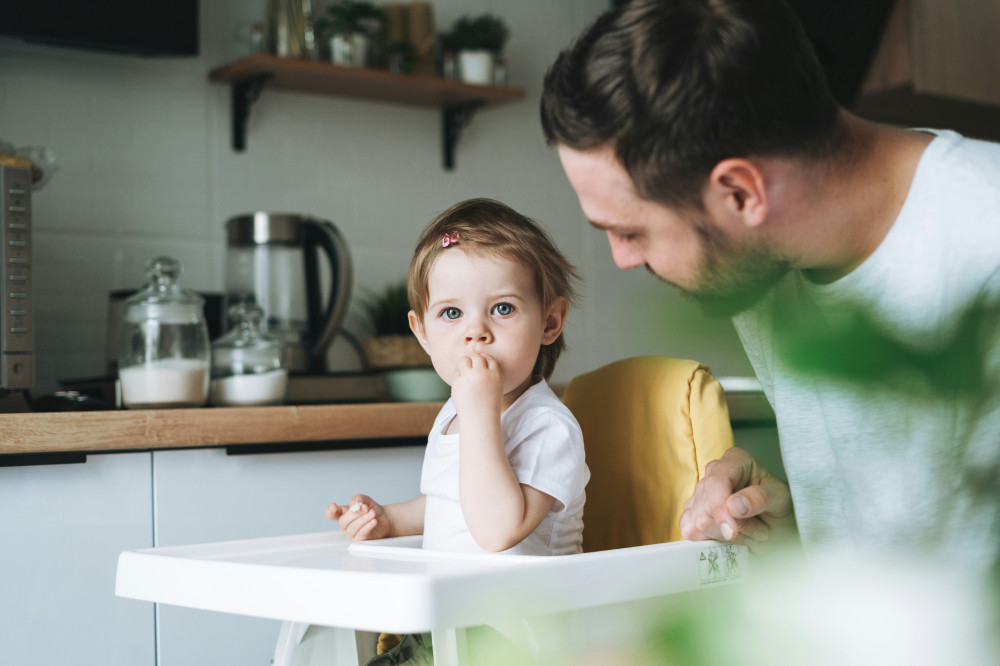
A peaceful mealtime helps your child tune in to hunger and fullness cues. Turn off screens, sit together, and allow enough time for your child to eat at their own pace. Consistency and routine build comfort—both in taste and in atmosphere.
It’s not about making every meal perfect, but about creating an environment where your child can listen to their body. When you show trust in your child’s signals, you teach them that eating isn’t a battle—it’s a natural, enjoyable part of daily life.
Læs også:


Listen, support, and explore together
Listening to your child at mealtime is a balance between guiding and giving space. You decide what’s served, but your child decides how much to eat. It’s a partnership built on respect and patience.
By supporting your child’s awareness of hunger, fullness, and curiosity, you’re doing more than helping them eat well—you’re giving them lifelong tools to understand their body and make healthy choices with confidence.
Læs også: