Screen Time with Care: How to Help Your Child Build Healthy Digital Habits that Support Well-Being


Screen Time with Care: How to Help Your Child Build Healthy Digital Habits that Support Well-Being
Tablets, smartphones, and computers are now woven into nearly every part of children’s lives — from schoolwork and entertainment to friendships and family communication. But where’s the line between healthy use and too much screen time? For parents, finding that balance can be tricky. Here’s how you can help your child develop digital habits that support focus, sleep, and emotional well-being.
Screen Time Is About Quality, Not Just Quantity
It’s easy to focus on how many hours your child spends in front of a screen, but the quality of that time matters just as much as the amount. There’s a big difference between passively scrolling or watching videos for hours and using technology to learn, create, or connect with others.
Ask yourself: What is my child doing online? Are they engaged, creative, and social — or do they seem tired, irritable, or distracted afterward? By paying attention to the content and purpose of screen use, you can better guide your child toward meaningful and positive digital experiences.
Set Clear Boundaries — Together
Children thrive when they know what to expect. Create family screen-time guidelines that everyone can agree on. These might include:
- Screen-free times — such as during meals, homework, or the hour before bedtime.
- Screen-free zones — like bedrooms or the dinner table.
- Family-wide rules — kids learn from what they see, so model the habits you want them to follow.
Involve your child in setting these boundaries. When they feel heard and included, they’re more likely to take responsibility for following the rules. And remember, boundaries can evolve as your child grows and gains independence.
Help Your Child Understand Their Own Use
Many kids — and adults — don’t realize how much time they actually spend on screens. Try checking your phone’s screen-time report together or keeping a short log for a few days. Seeing the numbers can spark honest conversations about what feels good and what might be too much.
Talk about how screen time affects their body and mood. Do they feel restless, tired, or have trouble falling asleep after long sessions? Learning to notice these signals is the first step toward self-regulation.
Make Offline Time Appealing
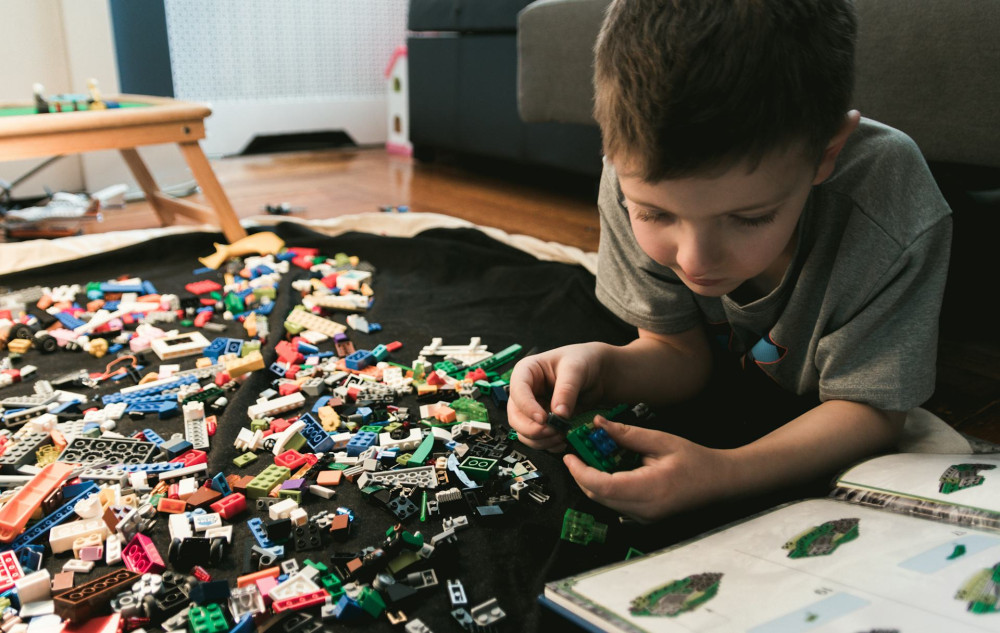
It’s easier to limit screen time when there are fun alternatives. Encourage activities that bring joy and energy — sports, art projects, board games, or time outdoors. Plan regular screen-free moments for the whole family, like a weekend hike or a game night.
When children experience that offline time can be just as enjoyable and fulfilling, it becomes easier for them to put the devices down. The goal isn’t to ban screens, but to create balance.
Be Curious, Not Judgmental
The digital world is a big part of kids’ social lives. They chat, play, and share experiences online. Instead of criticizing or forbidding, show interest in what they’re doing and who they’re interacting with. This builds trust and keeps communication open.
If you notice that your child is affected by something online — like social media comparisons or conflicts in games — talk about it calmly. Help them put their feelings into words and find ways to handle those situations in a healthy way.
Sleep and Screens — A Crucial Connection
Blue light from screens can interfere with the body’s natural sleep rhythm, making it harder to fall asleep. Experts recommend that children avoid screens at least an hour before bedtime. Establish a calming evening routine where devices are put away — perhaps with a book, music, or quiet conversation instead.
A simple but effective tip: keep phones and tablets out of the bedroom overnight. This reduces the temptation to check messages and helps everyone get more restful sleep.
Allow Room for Mistakes and Growth
Finding the right balance takes time — for both kids and parents. There will be periods when screens take up too much space, and that’s okay. Use those moments as opportunities to reflect and adjust together.
The goal isn’t to create perfect rules, but to build awareness of how technology affects daily life. When children learn to take responsibility for their own screen use, they gain a lifelong skill that supports their well-being in a digital world.
Læs også:




Screen Time with Care — A Shared Responsibility
Digital media is here to stay, offering both opportunities and challenges. You can’t control everything your child encounters online, but you can be a steady guide who helps them navigate wisely. With clear boundaries, curiosity, and open dialogue, screen time can become a healthy and natural part of family life.
Læs også: