Safe Adventures: How to Plan Secure and Free Outings with Kids

Safe Adventures: How to Plan Secure and Free Outings with Kids
Heading out with kids is about much more than just leaving the house. It’s a chance to create shared memories, nurture curiosity, and give children a sense of freedom—while helping them learn how to explore the world safely. But how do you balance adventure and security? Here’s how to plan outings that are both safe and full of discovery.
Preparation Builds Confidence
A great outing starts long before you step out the door. Kids feel more comfortable when they know what to expect and understand the boundaries. Talk about where you’re going, what you’ll do, and how you’ll look out for each other along the way.
Make a packing list together—it helps children feel involved and responsible. They can pack their own water bottle, sun hat, or snack. This small act gives them ownership and makes the day easier for everyone.
Check practical details too: transportation, restroom access, and the weather forecast. A few extra items—like sunscreen, a light jacket, or a change of clothes—can make all the difference if plans change unexpectedly.
Choose the Right Destination
When planning a trip with kids, pick a destination that fits their age, energy level, and interests. Younger children need shorter distances and frequent breaks, while older kids often enjoy exploring more independently.
- Parks and nature trails offer space for free play and imagination. Kids can climb, collect leaves, or look for bugs.
- Beaches and lakes are perfect for warm days but require extra attention around water.
- Museums and community centers often have hands-on exhibits designed for children.
- Neighborhood walks or bike rides can be just as exciting as a big trip if you turn them into mini adventures.
The key is to find a place that allows both movement and rest—and where you can easily keep an eye on everyone.
Safety Without Limiting Freedom
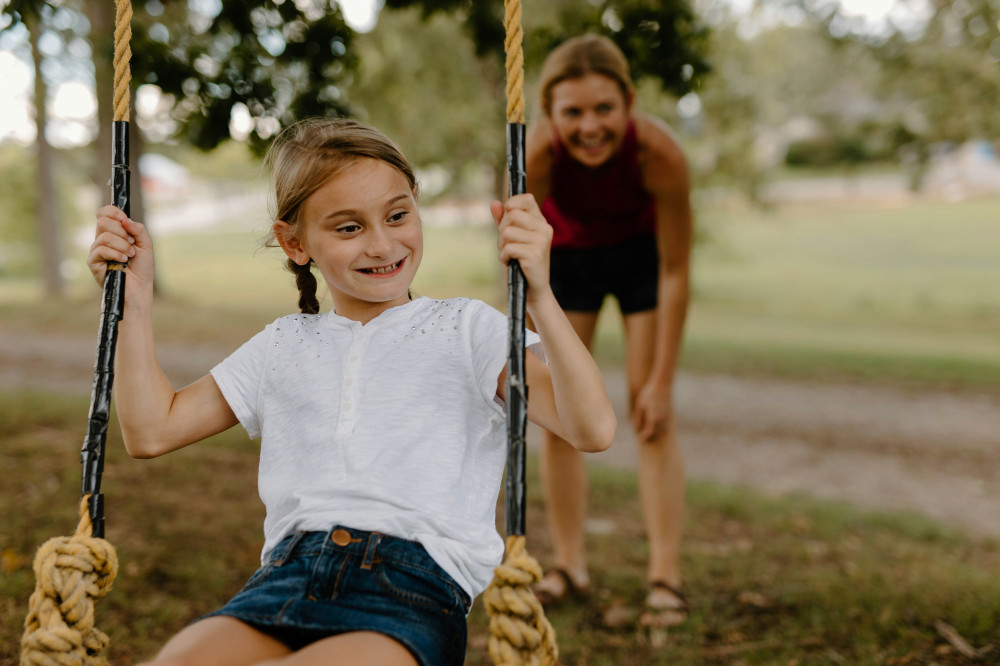
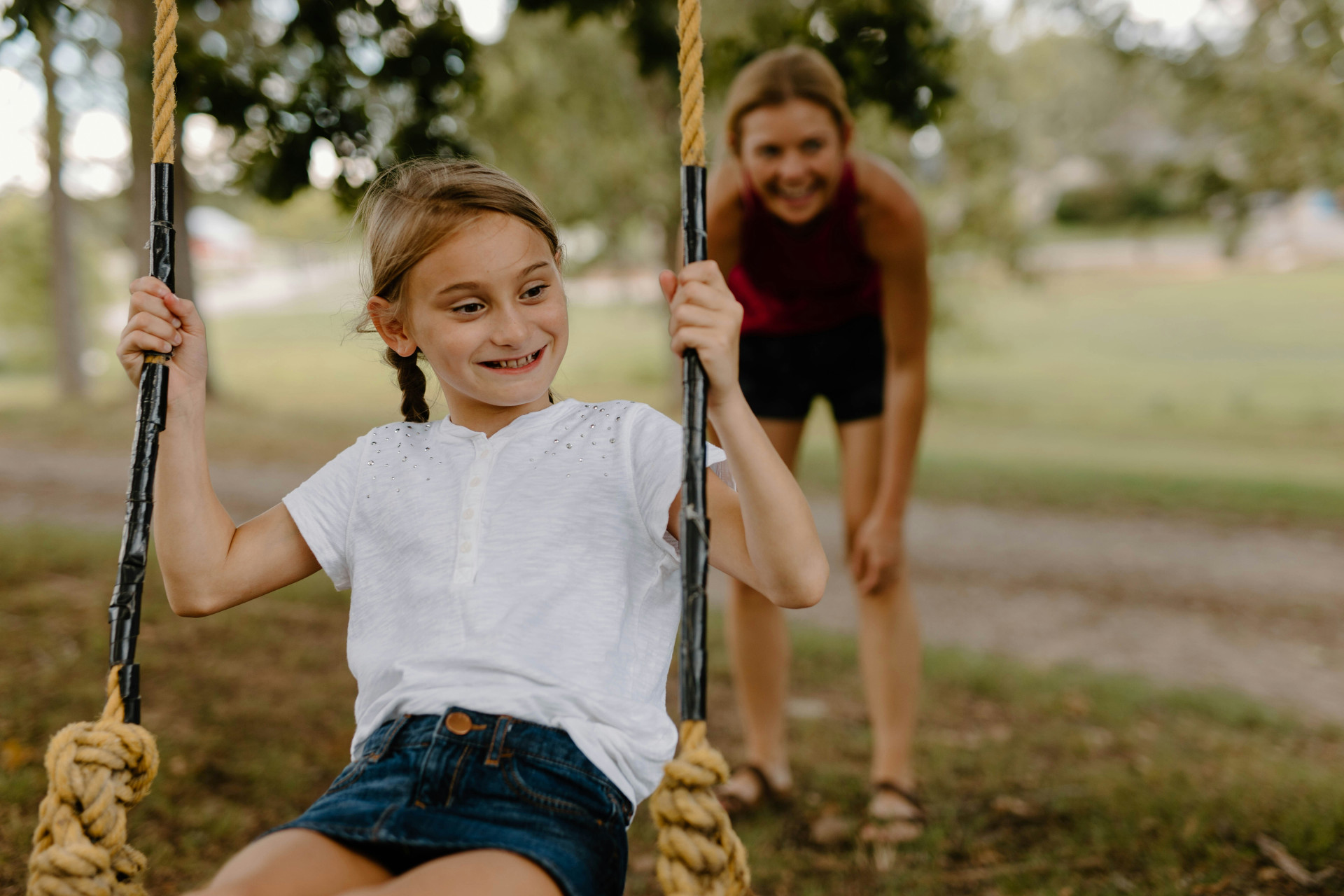
Children learn best when they can explore, but freedom works best within clear boundaries. Before you go, agree on a few simple rules: How far can they wander? What should they do if they get separated? Who’s their “buddy” for the day?
For younger kids, bright clothing or hats make them easy to spot. Older children can wear an ID bracelet with a parent’s phone number, especially in crowded places.
When you stay calm and confident, kids pick up on that energy. They feel safe to explore, knowing you’re there if they need you.
Make It a Sensory Experience
The most memorable outings engage all the senses. Encourage kids to touch tree bark, listen to birds, smell flowers, and enjoy a picnic outdoors. These sensory experiences help them connect with the world around them.
Bring along small tools for exploration—a magnifying glass, binoculars, or a simple map. Try nature scavenger hunts, collect interesting rocks, or identify cloud shapes. It doesn’t have to be elaborate; curiosity is the real adventure.
Keep a Comfortable Rhythm
Kids need downtime, even on exciting days. Plan moments to rest, snack, or simply sit and watch the world go by. These pauses recharge everyone’s energy and help prevent meltdowns.
Remember, the goal isn’t to check off every stop—it’s to enjoy the journey. If you spend an hour building sandcastles instead of hiking the full trail, that’s still a success. The best memories often come from unplanned moments.
Læs også:



Teach Responsibility Along the Way
Outings are a great opportunity to teach kids about responsibility and teamwork. Let them help clean up after a picnic, carry small items, or read the map. These small tasks build confidence and respect for nature and others.
When children see that their contributions matter, they feel more capable and secure. Shared responsibility turns an outing into a true family experience.
End the Day with Reflection
When you return home, take a few minutes to talk about the day. What was the most fun? What did everyone learn? Kids might enjoy drawing a picture or adding photos to a family adventure journal. Reflecting helps them process the experience and look forward to the next one.
A safe adventure isn’t about controlling every detail—it’s about creating a space where kids can explore freely, with you as their steady guide. With a little planning and presence, even the simplest outing can become a big adventure.
Læs også: