Design a Thoughtful Kids’ Room: Furniture That Creates Space for Play, Reading, and Calm

Design a Thoughtful Kids’ Room: Furniture That Creates Space for Play, Reading, and Calm
A child’s room is more than a place to sleep—it’s a world of imagination, learning, and comfort. The right design can nurture creativity, independence, and a sense of calm. By choosing furniture that balances play, reading, and rest, you can create a space that grows with your child and supports their daily rhythm. Here’s how to design a kids’ room that feels both joyful and peaceful.
Create Zones for Different Activities
A well-designed kids’ room works best when it’s divided into small zones that support different needs. This helps children transition smoothly between playtime, quiet time, and bedtime.
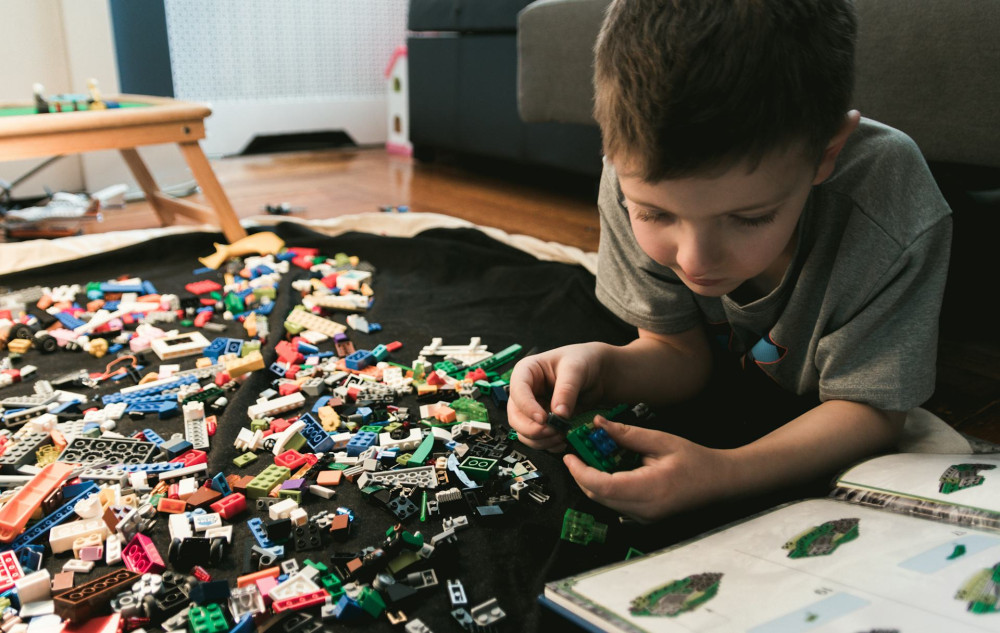
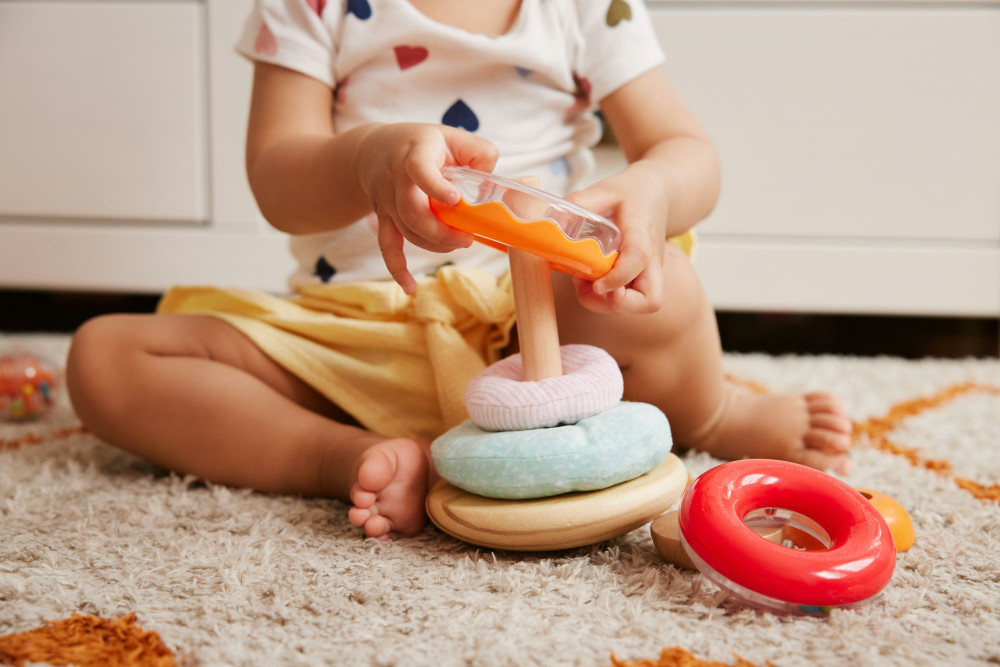
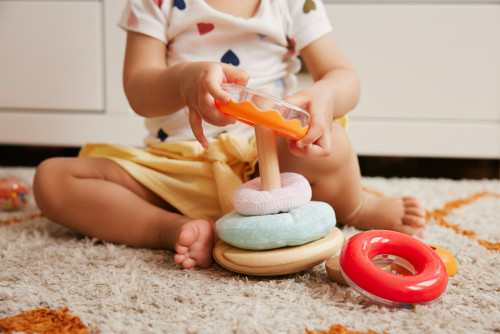
- The play zone can feature a soft rug, low storage, and sturdy furniture that can handle energy and movement. Bright colors, fun shapes, and open space encourage creativity and active play.
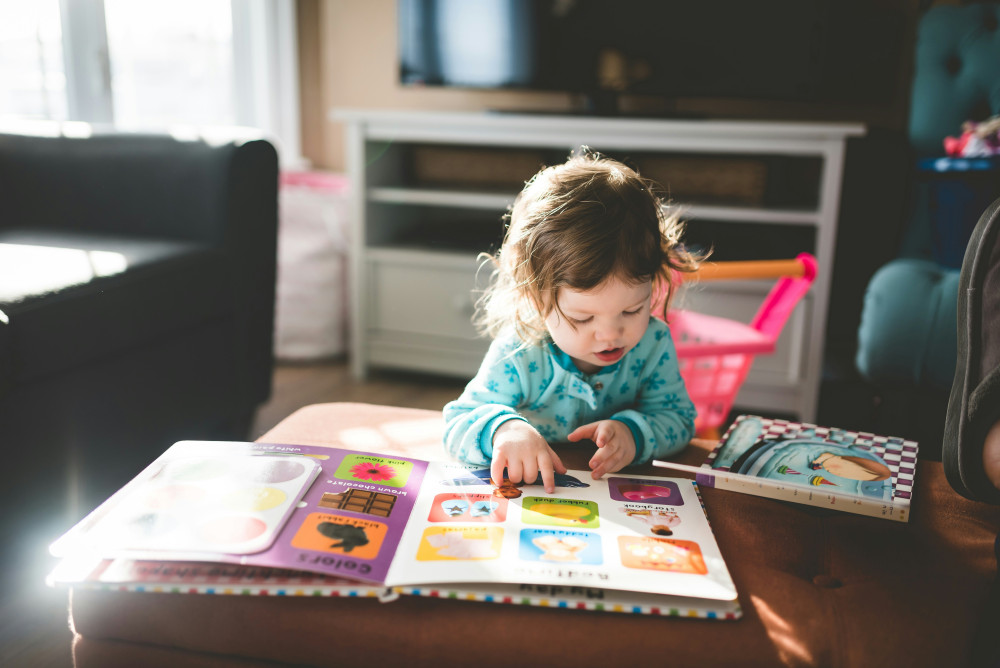
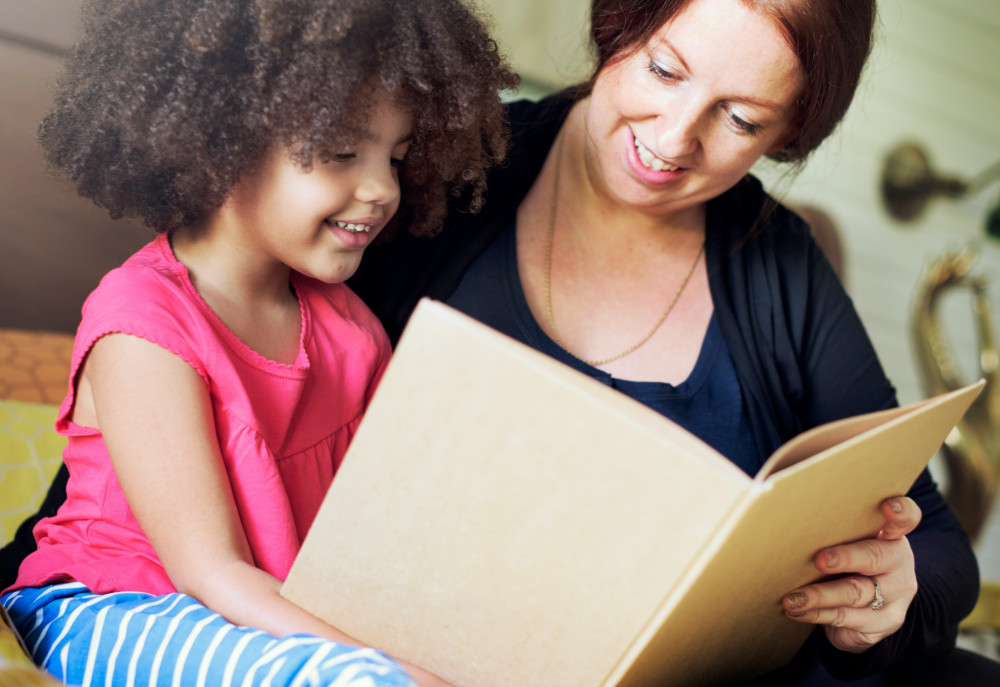
- The reading nook should feel cozy and calm. A small armchair, beanbag, or floor cushion paired with a low bookshelf invites quiet moments with a favorite story. Add a warm lamp and a soft blanket for extra comfort.
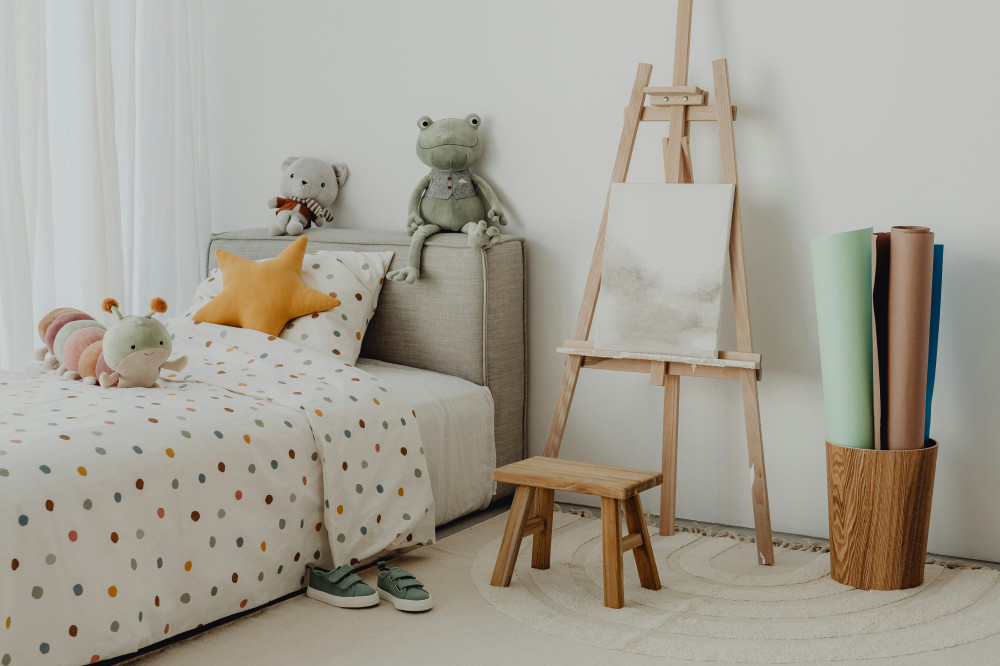
- The sleep area should be simple and soothing. Keep decorations minimal around the bed and choose muted tones that signal rest and security.
Clear zones help children understand when it’s time to play and when it’s time to wind down—an important part of building healthy routines.
Choose Furniture That Grows with Your Child
Kids grow fast, and their rooms should be able to keep up. Investing in flexible, long-lasting furniture saves money and reduces waste over time.
- Adjustable pieces like height-changing desks or extendable beds adapt as your child grows.
- Multifunctional furniture—such as beds with drawers, foldable tables, or modular shelving—maximizes space and keeps the room organized.
- Quality materials are worth the investment. Solid wood, durable fabrics, and non-toxic finishes ensure safety and longevity.
A room that evolves with your child gives them a sense of ownership and stability as they move through different stages of childhood.
Use Colors and Materials to Set the Mood
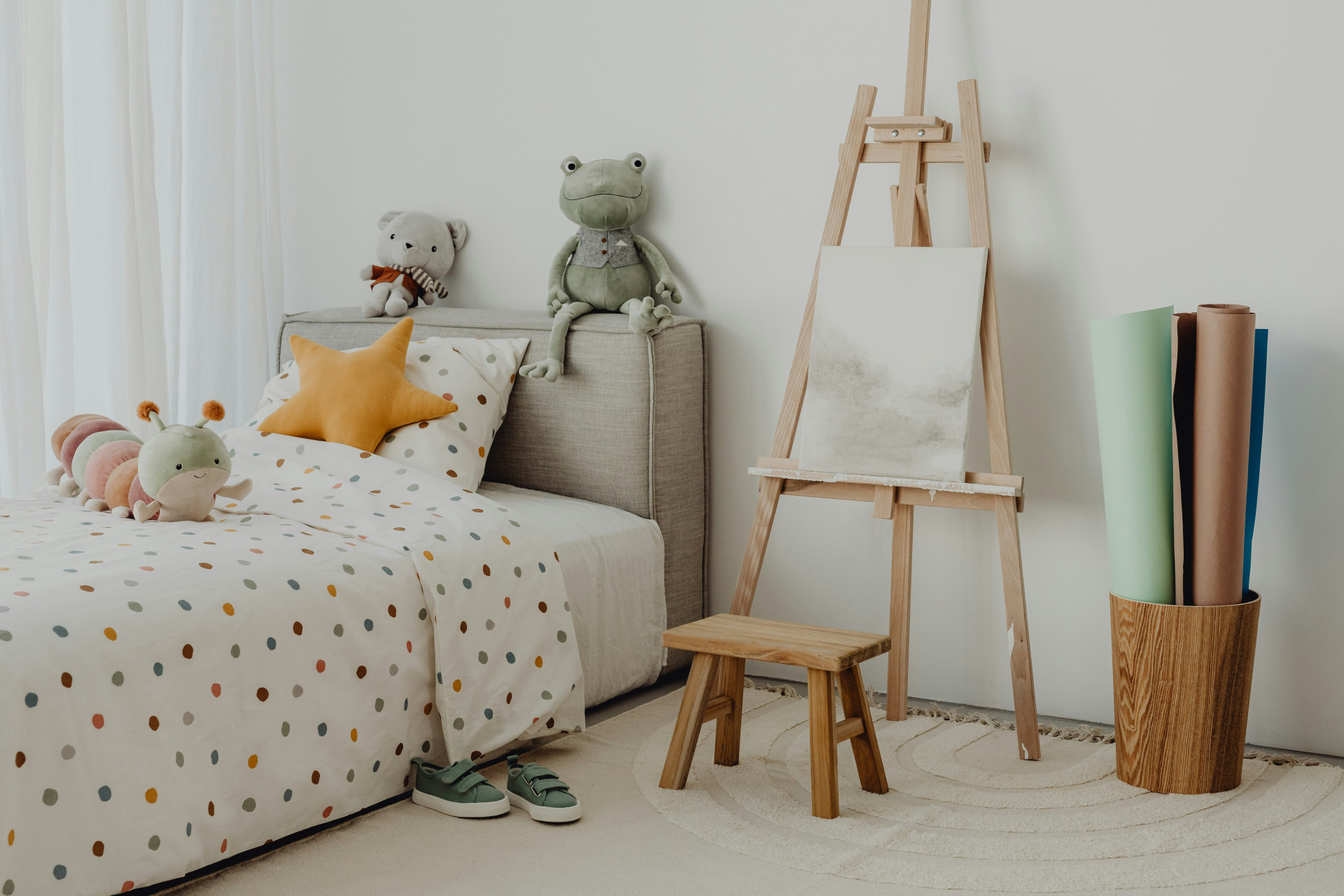
Color has a powerful effect on how a room feels. In a kids’ room, a calm base with playful accents works beautifully. Soft neutrals like warm white, pale gray, or sage green create a peaceful backdrop, while pillows, art, and toys can add pops of cheerful color.
Natural materials—wood, cotton, wool, and linen—bring warmth and texture. They’re also durable and better for indoor air quality than synthetic alternatives. Rounded edges, washable surfaces, and sturdy finishes make everyday life easier for both kids and parents.
Make Storage Simple and Accessible
A tidy room helps children feel calm and focused. The key is to make organization easy and intuitive.
- Baskets and bins labeled with pictures or colors help younger kids know where things belong.
- Open shelving keeps toys visible and encourages independent play.
- Under-bed drawers or wall-mounted shelves make the most of small spaces.
When storage is designed for a child’s height and abilities, cleanup becomes part of the play—not a chore.
Læs også:

Light and Calm: Essential Elements
Lighting shapes how a room feels and functions. Layer different types of light to suit different activities: bright task lighting for crafts or homework, soft lighting for reading, and dimmable or night lights for bedtime comfort.
Calm isn’t just about quiet—it’s also about visual balance. Avoid overcrowding the walls and surfaces. A few meaningful decorations, like framed artwork or your child’s own drawings, can make the space personal without feeling cluttered.
Involve Your Child in the Design
When children help design their own room, they feel proud and connected to it. Ask about their favorite colors, themes, or activities, and let them make small choices—like picking bedding, wall art, or a lamp. These decisions help them express their personality and learn responsibility for their space.
A Room to Grow In
A thoughtful kids’ room supports play, learning, and rest in equal measure. With flexible furniture, soothing colors, and smart storage, you can create a space that adapts as your child grows—a place where imagination thrives and calm comes naturally.
When design starts with your child’s needs and rhythms, their room becomes more than just a bedroom—it becomes a safe, inspiring world of their own.
Læs også: