Brothers, Rivals, or Friends? How to Strengthen Boys’ Sibling Bonds and Well-Being


Brothers, Rivals, or Friends? How to Strengthen Boys’ Sibling Bonds and Well-Being
When boys grow up together, their relationship can swing between deep friendship and fierce rivalry—sometimes within the same afternoon. A brother can be a best friend, a competitor, or both. The sibling bond is one of the most formative relationships in childhood, shaping boys’ emotional health, confidence, and social skills. But how can parents nurture a healthy connection between brothers without letting comparison or competition take over? Here’s what research and family experts suggest—and how you can help your sons build a lifelong bond.
The Sibling Relationship: A Training Ground for Life
For many boys, a brother is the first playmate—and the first rival. Through their interactions, they learn to share, negotiate, cooperate, and resolve conflicts. This relationship becomes a kind of social “practice field,” preparing them for friendships, teamwork, and relationships later in life.
Studies from U.S. universities, including the University of Missouri and Brigham Young University, show that boys who have warm, supportive relationships with their brothers tend to develop stronger empathy and better conflict-resolution skills. On the other hand, relationships marked by constant competition or favoritism can lead to frustration and lower self-esteem. That’s why it’s so important for parents to create an environment where each child feels valued for who he is.
Avoid Comparisons—Celebrate Individuality
It’s easy to fall into the trap of comparing siblings: “Your brother was reading at your age,” or “You’re the quiet one, he’s the outgoing one.” But these labels can unintentionally box boys into roles that limit their growth.
Instead, highlight their differences as strengths. You might say, “You both have your own ways of doing things—and that’s great, because you can learn from each other.” This helps each boy feel seen and appreciated, reducing the need to compete for your attention.
Create Shared Experiences—But Respect Their Differences
Shared experiences help brothers feel connected, but that doesn’t mean they have to do everything together. Some brothers thrive on shared hobbies, while others need space to pursue their own interests. The key is balance—time together and time apart.
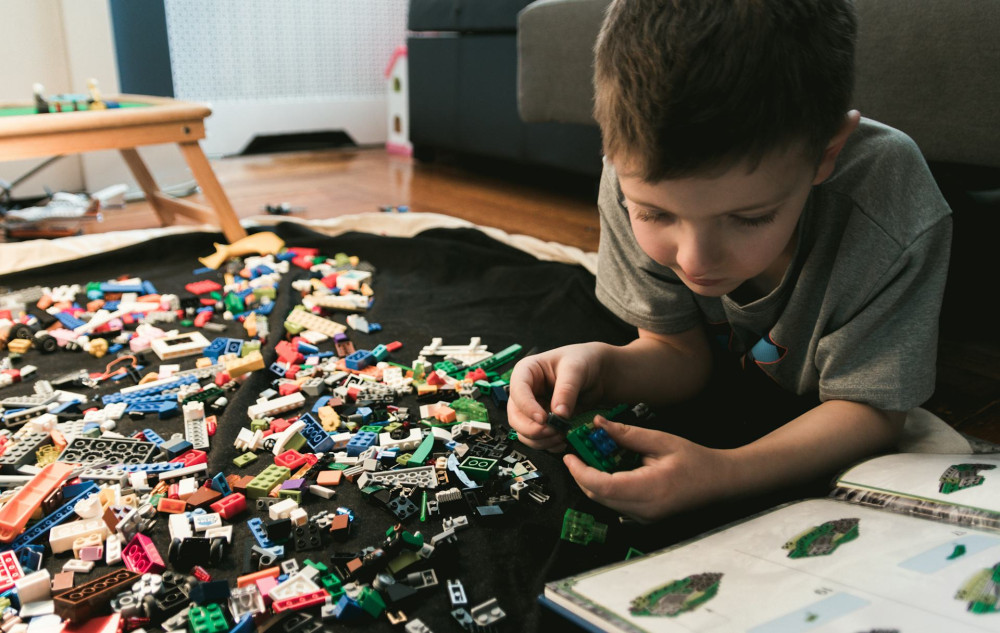
- Plan joint projects that require teamwork, like building something, cooking, or volunteering.
- Encourage individual passions, so each boy can develop his own identity.
- Start small traditions that belong just to them—like a “brothers’ day” or a special outing they plan together.
When boys experience both togetherness and independence, their relationship grows stronger and more respectful.
Teach Healthy Conflict Skills
Arguments between brothers are inevitable—and even healthy. They teach boys how to set boundaries, express emotions, and find solutions. But parents play a crucial role in guiding how those conflicts unfold.
Try not to take sides unless there’s clear unfairness or harm. Instead, help them talk it out: “What made you upset?” or “What could you do differently next time?” This approach teaches empathy and accountability, turning conflict into a learning opportunity rather than a power struggle.
Læs også:



Encourage Responsibility for Each Other
Boys often thrive when they’re trusted with responsibility—including for one another. Let the older brother help with homework or explain the rules of a game. Let the younger one take initiative in helping or supporting his sibling. These moments build trust and a sense of teamwork.
Just be careful not to overburden the older child with “parental” duties. The goal is mutual support, not obligation. When both boys feel they can rely on each other, their bond deepens naturally.
When Competition Gets Too Intense
A little competition can be motivating—but too much can create distance. If you notice your sons constantly measuring themselves against each other, shift the focus from rivalry to collaboration.
Try activities where they can only succeed together—like being on the same sports team, solving a puzzle, or completing a shared goal. This helps them see each other as allies rather than opponents.
A Bond That Lasts a Lifetime
Brothers can be each other’s greatest source of support, laughter, and understanding—well into adulthood. As a parent, you can’t control their relationship, but you can nurture the conditions that help it grow.
When boys feel accepted for who they are, encouraged to work together, and loved without comparison, you’re giving them more than a peaceful childhood—you’re helping them build a lifelong friendship that will carry them through every stage of life.
Læs også: